Curcumin, the vibrant yellow polyphenolic pigment in turmeric, has enriched Indian culinary traditions for over 4,000 years. Approved as food coloring E100, it's used in dairy products, dry mixes, sorbets, ice creams, and candies—offering color without the bold flavor of saffron. Today, it's also a popular dietary supplement, with research highlighting its potential to support health in multiple ways.
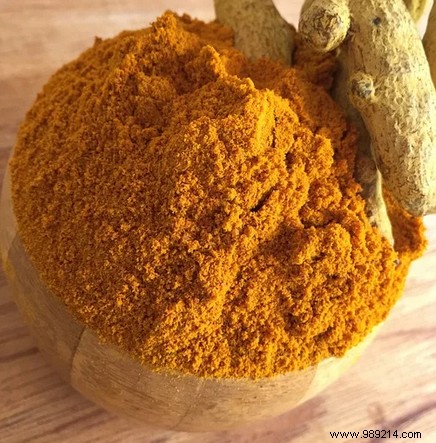
Curcumin, or diferuloylmethane, is the primary active compound in turmeric, known as "turmeric" in some regions. As a natural food additive, it imparts a signature yellow hue to various processed foods.
Extensive studies suggest curcumin's benefits include preventing and aiding cancer treatment, easing stomach ulcers, combating inflammatory conditions, treating gingivitis, reducing hyperlipidemia, lowering cardiovascular and type 2 diabetes risks, and potentially boosting cognitive function in Alzheimer's patients.
Drawing from comprehensive reviews like Passeport Santé's dossier on scientific research, experts note curcumin's antioxidant and anti-inflammatory properties may play a key role. Since 2011, U.S. National Institutes of Health trials have explored this. A 2007 South Korean in vitro study showed curcumin inhibiting cancer cell proliferation by inducing specific enzymes.
Clinical data on prevention remains limited, with studies featuring small samples of under 25 participants. However, countries with high turmeric consumption show lower rates of certain cancers, warranting further investigation.
For Alzheimer's, evidence is inconclusive—while some studies note vitamin increases, cognitive improvements remain unproven. A 2011 randomized trial found turmeric-based mouthwash as effective as chlorhexidine against gingivitis bacteria. In rheumatoid arthritis, 1980s studies showed curcumin matching phenylbutazone's efficacy.
Diabetes prevention looks promising: A 2011 trial had volunteers take three 750 mg turmeric capsules (75-85% curcumin) twice daily for nine months—16% in the placebo group developed diabetes, none in the turmeric group, who also lost weight. A 2012 study gave diabetic patients with nephropathy 22 mg turmeric three times daily for two months, reducing urinary protein, IL-8 (inflammation marker), and TGF-β (abnormal growth factor).
Encouraging results also emerge for chronic inflammation, IBD, cardiovascular disease, hyperlipidemia, and diabetes. Yet, many studies involve few participants, underscoring the need for larger trials to confirm these effects.
