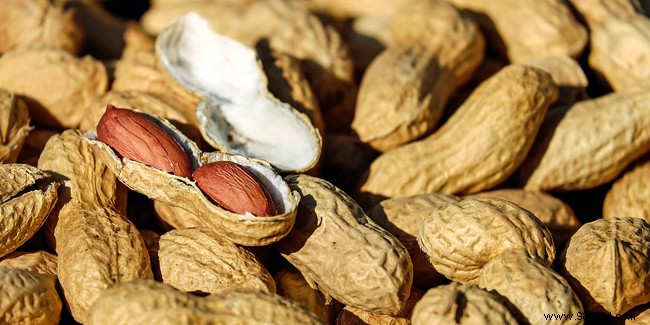
Peanuts, also known as groundnuts, often get a bad rap for their calorie density and potential to contribute to weight gain when overeaten. As a popular appetizer, they're easy to consume quickly without much thought. In reality, peanuts deserve a healthier reputation: they're nutrient-dense powerhouses with impressive medicinal properties when enjoyed mindfully. Here's a closer look at their benefits, drawn from nutritional science.
As a top source of plant-based protein—though not as complete as animal proteins—peanuts deliver an array of essentials:
Oil-roasted peanuts are zinc-rich, fueling immune responses, wound healing, fetal development, and insulin production in the pancreas.
High in copper, peanuts support collagen and hemoglobin formation while helping combat free radicals.
Peanuts provide ample manganese to shield the body from free radical damage.
This vitamin converts proteins, carbs, and fats into energy, aids DNA synthesis, and promotes normal child growth.
Dry-roasted peanuts excel as a magnesium source for bone and muscle health, dental care, immunity, and nerve function.
The body's second-most abundant mineral after calcium, phosphorus in peanuts supports teeth, bones, and tissue regeneration.
Most abundant in dry-roasted peanuts, it balances blood pH, aids digestion, heart function, and nerve signals.
A potent antioxidant, vitamin E safeguards cell membranes throughout the body.
Peanut iron transports oxygen in blood, forms red blood cells, and aids neurotransmitter and hormone production.
It converts carbs to energy and supports child growth.
Found in dry-roasted peanuts, this antioxidant curbs free radical formation.
Essential for red blood cell production, nervous system health, immunity, and wound healing.
It synthesizes neurotransmitters, metabolizes glucose, and builds nerve cells.
Peanuts' fiber lowers risks of colon cancer, cardiovascular disease, and type 2 diabetes.
Packed with these nutrients, peanuts support health in moderation—mind the calories. Regular intake lowers cholesterol, protecting cardiovascular health.
Research indicates two weekly servings may cut colon cancer risk in women; more studies are exploring peanut compounds' preventive potential.
A major study links five weekly spoonfuls of peanut butter to reduced type 2 diabetes risk in women, thanks to fiber and magnesium.
Studies show regular peanut consumption, via magnesium, phytosterols, and fiber, helps prevent gallstones in women.
Dry-roasted peanuts offer the most benefits but are higher in sodium and calories. Limit to 30 grams daily unless overweight; ideal as a morning snack.
Peanuts are a top allergen, potentially causing severe reactions like anaphylaxis. Their oxalates contraindicate them for those prone to gallstones or kidney stones. Avoid moldy, rancid, or blackened peanuts due to toxin risks.
