Researchers combining behavioral and neuroimaging data have uncovered striking parallels between dog-owner bonds and mother-infant attachments. In dogs, as in human babies, hearing a caregiver's voice triggers reward-related brain activity, reveals a new study published in NeuroImage.
In humans, brain responses to voices are shaped by social bonds. Infants show heightened reward activity to their mother's voice, and behavioral evidence suggests similar voice discrimination in species like young macaques and sea lions.
A Hungarian research team explored whether dogs exhibit comparable mechanisms when hearing their owners' voices.
"Investigating the neural basis of dog-owner attachment is fascinating, as it highlights similarities between this interspecies bond and well-studied relationships like mother-infant attachment," explains lead author Anna Gábor. "Years ago, we found dogs' brains respond to verbal praise, but the influence of the speaker's relationship remained uncharted."
The team adapted the "strange situation" protocol—a gold-standard test for child-caregiver attachment—to assess dogs' behaviors. They paired it with fMRI scans while dogs listened to praise or neutral speech from their owners versus familiar strangers.
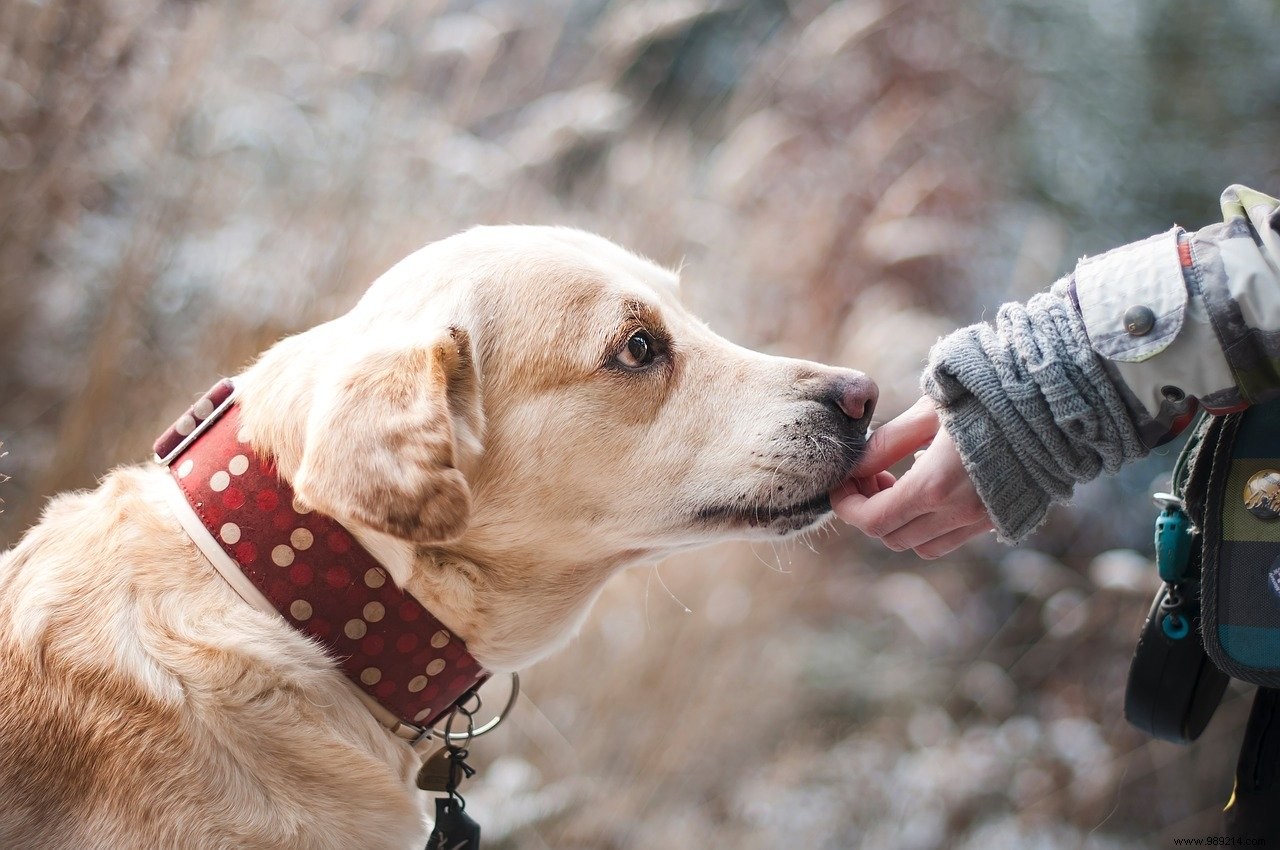
Findings showed dogs' reward centers activated more strongly to owners' voices (praise or neutral) than to strangers'. Highly attached dogs displayed even greater responses. Simply put, the stronger the dog-owner bond, the more rewarding the owner's voice becomes for the dog.
These insights, the authors conclude, demonstrate that dog-owner and mother-infant relationships are more neurologically alike than ever imagined.
