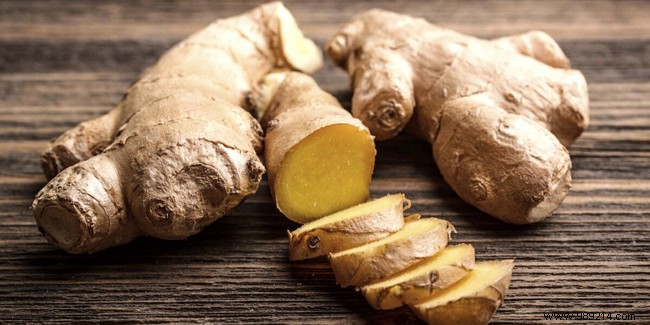
Ginger, a tropical plant thriving in sunny regions especially in Asia, features a versatile rhizome root that's a kitchen staple. Celebrated for its aphrodisiac reputation and potent medicinal properties, ginger is now simple to grow and harvest at home.
Used since ancient times as an aphrodisiac plant, ginger isn't a direct libido booster but an energizing tonic that can stimulate sexuality. Its bioactive compounds also target various health concerns effectively.
Composed of about 90% water, ginger is packed with carbohydrates, vitamins, and fibers. It's particularly high in vitamin B9, alongside vitamins C, A, E, B1, B2, B3, B5, and B6. The rhizome delivers essential trace elements and minerals, including:
Ginger's antioxidants support cardiovascular health.
Rich in numerous antioxidants, ginger shields cells from free radicals. Studies identify around 40 such compounds, many heat-stable even during cooking. Whether fresh, powdered, or cooked, ginger thins the blood, enhances circulation, and aids detoxification. Avoid it with anticoagulants—consult your doctor or cardiologist first.
As a 100% natural anti-inflammatory, ginger curbs prostaglandin production, easing conditions like:
Promising research highlights relief for rheumatoid arthritis and osteoarthritis pain. It combats fever, allergies, and flu symptoms—comparable to ibuprofen in some cases—but never substitute for prescribed treatments.
Ginger stimulates the digestive system, boosting bile secretion for better fat breakdown across the mouth, esophagus, stomach, liver, small intestine, and colon. Regular use supports weight loss as an effective fat burner.
With proven antiemetic properties recognized by the WHO, ginger combats nausea and vomiting. Ideal for motion sickness or pregnancy-related nausea, thanks to its vitamin B6 content.
For those battling transient or chronic fatigue (asthenia), ginger's vitamins, minerals, and trace elements provide a natural boost. It strengthens immunity, making it a winter ally.
Regular ginger intake benefits type II diabetes by lowering fasting blood sugar and glycated hemoglobin, while improving insulin sensitivity.
Opt for fresh ginger from organic sources—look for golden, fragrant rhizomes with fresh wrinkles. Grate, slice, or juice it. For powder, choose organic and follow dosage instructions.
Pair powdered ginger with lemon juice for enhanced benefits: weight loss, immunity, digestion, and skin health. Add to tea or lemonade for detox effects.
Find ginger candied, in capsules, or tablets. Select high-quality sources, verifying origin, cultivation, and processing.
Freeze diced ginger roots for longevity; thaw portions as needed to retain freshness.
Ginger amplifies certain medications and herbs—avoid with blood thinners or before surgery. Limit to 2g daily; consult your doctor, especially if pregnant. Note: Ginger differs from ginseng.
In summary, ginger offers wide-ranging health benefits for digestion, inflammation, immunity, and more. Pair with lemon or use alone in moderation, always prioritizing medical advice.
