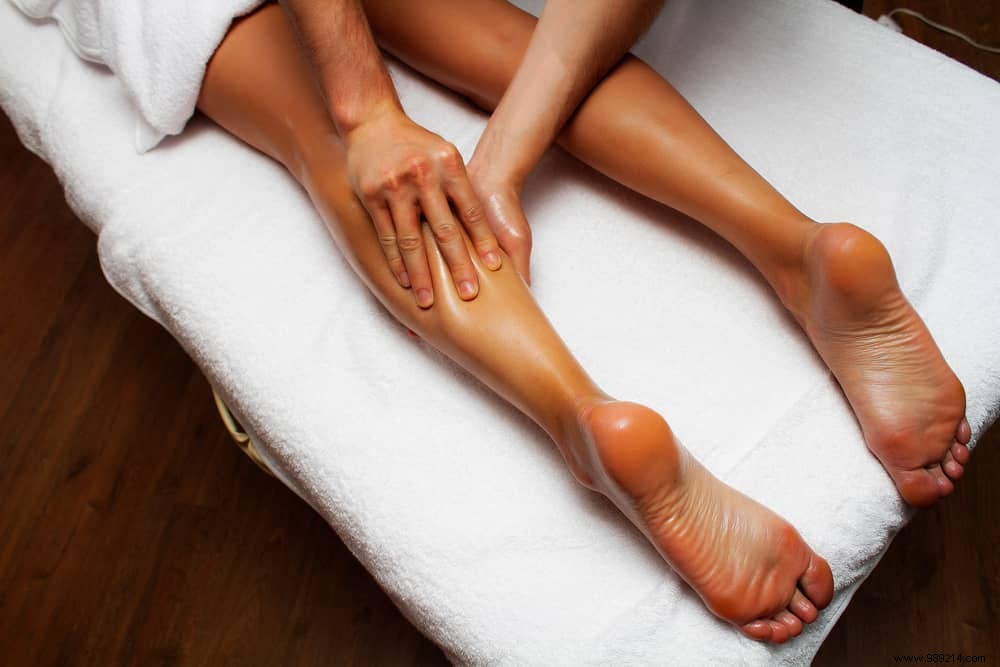
Discover lymphatic drainage, a specialized massage technique that enhances blood circulation to combat cellulite, heavy legs, and edema. Backed by clinical insights, this method effectively reduces orange-peel skin and water retention. Here's what experts say.
Lymphatic drainage uses gentle, rhythmic movements to guide lymph fluid toward the veins and heart. This stimulates circulation, minimizing edema—the swelling caused by fluid buildup in tissues.
Key Fact: What is Lymph?
The body contains 8 to 10 liters of lymph, a clear or pale yellow fluid found between cells and within organs. It flows through lymphatic vessels, removing waste to lymph nodes for filtration and elimination. Filtered lymph then supports nutrient absorption in tissues.
These massages redirect lymph to vital organs like the heart, easing edema, boosting lymphatic flow, and relieving leg heaviness for a lighter feel.
By recirculating filtered, nutrient-rich lymph to injured areas, this technique accelerates healing from sprains, bruises, and other traumas.
Obesity often leads to lymphedema, causing limb inflammation and heaviness. Lymphatic drainage helps reduce or eliminate these symptoms.
Reducing edema smooths orange-peel skin and diminishes cellulite. Facial sessions prevent wrinkles and alleviate acne by clearing inflammatory waste. Performed by trained professionals in clinics, wellness centers, or by physiotherapists.
Ideal for those with heavy legs or edema, especially post-abdominoplasty where fluid buildup causes lymphedema—resolved faster with drainage for optimal healing.
Recommended after injuries like sprains or bruises, and for cancer patients. Post-breast cancer surgery, nearly 1 in 5 patients[1] experience arm, chest, or wall lymphedema.
Prescribed by a doctor with a script, sessions (typically €20–€50 based on practitioner and area) are reimbursed up to 60%. For long-term conditions, coverage can reach 100% via Social Security—not for purely aesthetic use. Session count is doctor-determined.
Always gentle to protect delicate lymphatic vessels, using hands or specialized devices.
Therapists alternate pressure and release over 60 minutes, guiding lymph upward with slow, precise strokes.
Wear boots, abdominal belts, and sleeves that apply sequential pressure to limbs and torso. Sessions last 30–45 minutes.
Lymphatic drainage supports health and contours the body. Available at institutes, wellness centers, or with physiotherapists, it's often reimbursable.
Need supplemental coverage?
Request a quote
Sources:
https://www.orthoacademie.com/les-bienfaits-du-lymphatic-drainage/
https://axophysio.com/blogue/lobesite-et-le-lymphoedema/
https://axophysio.com/blogue/drainage-lymphatique-treat-lymphoedema/
https://axophysio.com/blogue/benefits-lymphatic-drainage-after-abdominoplasty/
https://axophysio.com/blogue/saviez-drainage-lymphatique-favoriser-travail-systeme-immunitaire/
https://www.sphere-sante.com/blog-incontinence/le-drainage-lymphatique-un-massage-aux-bienfaits-etonnants.html
[1] https://www.cochrane.org/en/CD003475/BREASTCA_the-lymphatic-drainage-manual-for-lymphedema-after-treatment-of-breast-cancer
