Native to Africa, Griffonia simplicifolia is a staple in herbal medicine for treating various conditions using medicinal plants. Extensive research supports its role as a direct precursor to serotonin through its high 5-HTP content, offering benefits for mood, sleep, and overall health.
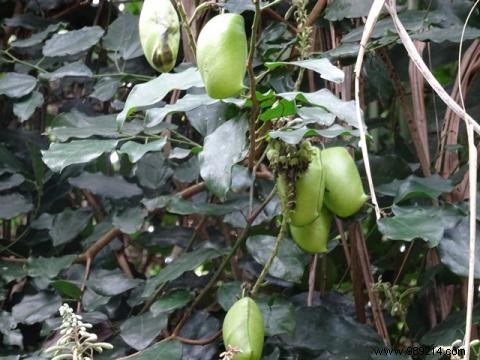
Hailing from Central and West Africa, Griffonia simplicifolia is a climbing shrub in the Fabaceae family—home to plants like peanuts and beans—that can grow up to three meters tall. Its seeds are exceptionally rich in 5-HTP, the immediate precursor to serotonin, making it a key player in phytotherapy. Serotonin acts as a neurotransmitter in the central nervous system and digestive tract, as well as a local hormone released by enterochromaffin cells and thrombocytes.
In practice, Griffonia is commonly used for emotional hypersensitivity, helping manage behavioral disorders like depression, anxiety, aggression, and low self-esteem. It also addresses sleep issues (insomnia, restless nights) and appetite imbalances (bulimia, obesity), while easing pain syndromes such as headaches and fibromyalgia, and supporting general health through antioxidant effects.
Numerous studies have examined Griffonia's potential. A 1989 British study linked tryptophan deficiency—the amino acid precursor to 5-HTP and immediate precursor of serotonin—to depression. Adequate tryptophan levels promote well-being, good mood, and improved sleep quality.
Research primarily focuses on mood enhancement. A 1980 Dutch trial on depressed patients previously treated with clomipramine showed Griffonia reduced relapse risk. In 1991, Swiss researchers found 5-HTP more effective and better tolerated than fluvoxamine, a standard antidepressant.
For sleep, U.S. (1970) and Italian (2004) studies reported longer REM phases with Griffonia use—REM accounts for about 25% of nightly sleep, the dream-rich stage. Positive effects were also noted for night terrors, a dramatic parasomnia.
However, the European Food Safety Authority (EFSA) has not validated all claimed effects, and studies often involved small samples. Griffonia is not approved to treat, cure, or prevent any disease.
