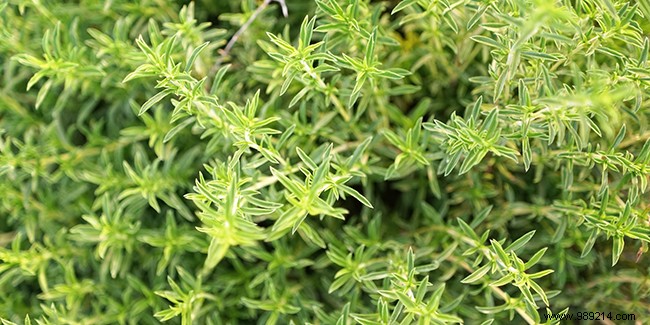
Savory (Satureja spp.), an aromatic herb native to the Mediterranean basin, Near East, Asia Minor, and Central Europe, is a versatile seasoning akin to thyme and rosemary. With two main varieties—perennial mountain savory and annual garden savory—it thrives in sunny, well-drained, calcareous soils. A staple in Provençal cuisine, savory also shines in natural medicine for its potent therapeutic properties.
The scientific name Satureja hortensis translates to "satyr grass," reflecting its ancient reputation. Romans and Greeks used it for flavoring dishes and as an aphrodisiac, dubbing it the "plant of happiness" or "plant of the devil." Benedictine monks later avoided it for this reason. Also known as sadrée, donkey pepper, or Saint-Julien herb, savory blends thyme and mint flavors.
Common in Provence amid lavender fields, savory grows 30-40 cm tall. Its white-to-mauve flowers bloom from July to September on stems with fine, downy hairs.
Rich in antioxidants, fiber, anti-inflammatory and antimicrobial compounds, vitamins, and minerals, savory offers impressive health support. Just 4 grams of dried savory provides only 12 kcal, including 2g dietary fiber, 3.1g carbohydrates, 0.3g fat, and 0.3g protein.
Savory supplies iron essential for oxygen transport in blood, red blood cell formation, neurotransmitters, and hormones—adequate for men but modest for women.
Abundant calcium in savory supports bone and tooth formation, maintenance, blood clotting, muscle contraction (including the heart), and healthy blood pressure.
Manganese, vital for women, combats free radical damage and acts as a cofactor for key enzymes.
Savory's magnesium aids bone and dental health, immunity, protein synthesis, energy metabolism, and nerve function.
This vitamin supports protein and fatty acid metabolism, neurotransmitter production, red blood cell formation, glycogen conversion, and cellular processes.
Savory excels in digestive health, easing digestion, reducing bloating and flatulence, halting diarrhea, restoring intestinal flora post-infection, and relieving abdominal spasms. As an antiseptic and antiviral, it's ideal for sore throats, colds, and fatigue.
Research highlights savory's potential anti-carcinogenic effects on liver cells, inhibition of HIV-1 integrase, and anti-diabetic, cholesterol-lowering properties.
For herbal tea, steep 50g flowering tops in 1 liter boiling water for 10 minutes; drink 3 cups daily for coughs, sore throats, or rhinitis. Add to cooking water for legumes like chickpeas or lentils at the end to retain flavor.
Store fresh savory wrapped in a damp cloth in the fridge for 1-2 weeks. Freeze chopped in ice cube trays, or dry in a warm, dark place or low oven, then store in opaque glass or terracotta jars.
Savory is generally safe, but consult a doctor if on anticoagulants due to its vitamin K content. Enjoy its pleasant tea plain, with honey for colds, or anytime for warmth and relaxation.
