In recent years, shifting eating habits have spotlighted innovative superfoods like spirulina. Renowned for its impressive nutritional profile, this cyanobacterium has earned a reputation as a powerhouse supplement. But what does the science say about its benefits, and is it truly a 'miracle' food?
Spirulina is a type of blue-green algae, scientifically classified as a cyanobacterium under names like Arthrospira platensis and Spirulina. It has thrived on Earth for millions of years and was harvested by ancient civilizations, including the Aztecs and communities in Chad.
Today, it's a go-to dietary supplement for athletes and health enthusiasts, and even features as an ingredient in modern recipes. Its signature deep, vibrant green hue comes from chlorophyll.
Spirulina stands out for its rich nutritional profile: low in calories yet packed with antioxidants, essential nutrients, and minerals. It's especially valued for high-quality proteins and amino acids.
Key components include beta-carotene, trace elements, B vitamins (notably B12, though more on that later), and chlorophyll, which supports overall health.
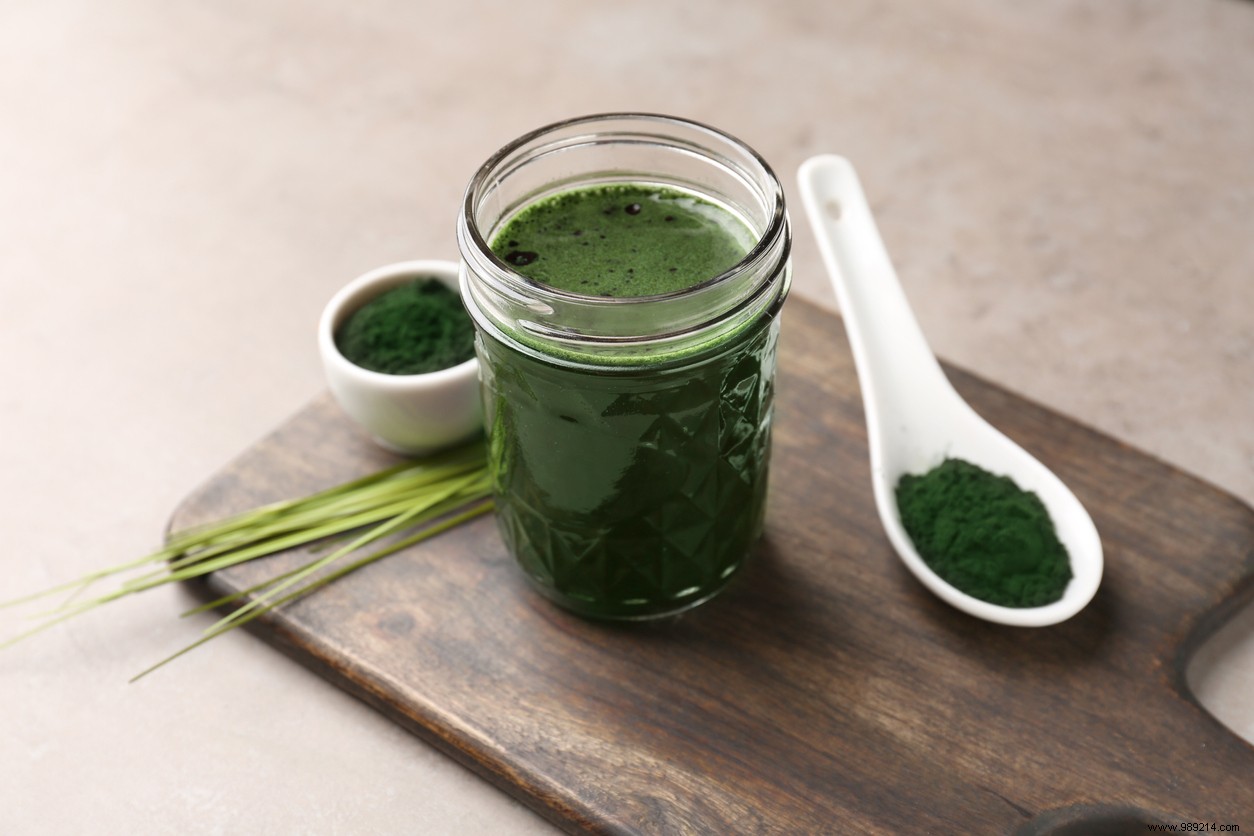
These nutrients position spirulina as a superfood, particularly for active individuals. While research is ongoing, emerging studies show promising results. Here's what the evidence suggests:
With these advantages, spirulina's popularity surges. It typically comes as a powder for smoothies or meals—try pairing with apple to mask the earthy taste—or in capsules. Always select pure products compliant with regulations.
Note from ANSES: Spirulina isn't a reliable vitamin B12 source for vegans or vegetarians.
Spirulina is not a medicine—temper expectations. Avoid if pregnant or with phenylketonuria. Consult a healthcare professional for allergies or concerns, and use in moderation.
Related Articles:
