A landmark national study involving nearly 40 French hospitals is evaluating the long-term effectiveness of COVID-19 vaccines. Launched earlier this year, it still needs 4,000 more volunteers to reach its target.
Since late 2020, COVID-19 vaccines have been rolled out worldwide, but research on their sustained protection is ongoing. France's Cov-Popart study spans 35 hospitals nationwide. To date, 6,000 volunteers have enrolled, yet 4,000 more are needed to strengthen the findings, as reported by France Bleu on September 8, 2021.
Participants commit for two years, with blood draws scheduled four times: one month after the second vaccine dose, then at six months, one year, and two years. These tests precisely measure antibody levels over time, providing critical insights into vaccine durability.
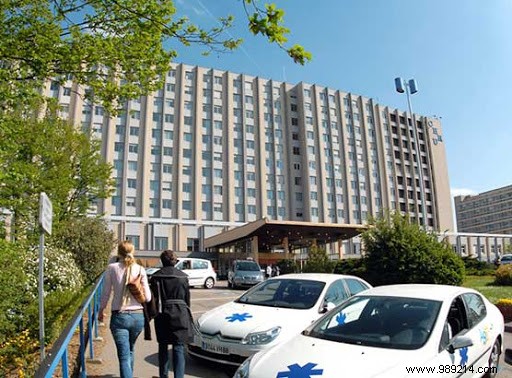
Dr. Bruno Laviolle, director of the clinical investigation center at Rennes University Hospital, emphasizes the need for volunteers aged 75 and older, regardless of vaccination status. This group may respond less robustly to vaccines, and understanding why is a primary goal. A secondary aim is recruiting adolescents aged 12+, to broaden the dataset. Initial results are expected in the coming weeks. Register via the study's official website.
Participating hospitals include Rennes, Lille, Rouen, Caen, Brest, Tours, Limoges, Nantes, Angers, La Roche-sur-Yon, Clermont-Ferrand, Bordeaux-Nord, Toulouse, Montpellier, Nîmes, Saint-Étienne, Marseille, Nice, Grenoble, Lyon, Dijon, Besançon, Strasbourg, and Nancy. In Île-de-France and Paris, seven facilities join, such as Bichat, Cochin-Pasteur, and Foch hospitals.
The 10,000-participant target splits into two groups: a control group of 1,850 adults aged 18+, and 8,650 adults with specific conditions like type 1 or 2 diabetes, obesity, cancer, transplants, HIV, advanced chronic kidney disease, autoimmune diseases, hypogammaglobulinemia, chronic inflammatory rheumatism, multiple sclerosis, or optic nerve disorders.
