Four orangutans and five bonobos at the San Diego Zoo received two doses each of an experimental COVID-19 vaccine in February, marking them as the first non-human primates vaccinated against the novel coronavirus.
History shows that infectious diseases can jump between humans and primates. For instance, HIV-1 group M—responsible for 99% of global infections—originated from chimpanzees in Cameroon. Conversely, human metapneumovirus likely killed an adult female gorilla and her newborn a decade ago, possibly from tourists. Rhinoviruses have also triggered fatal outbreaks in African chimpanzees.
More recently, gorillas at the San Diego Zoo tested positive for COVID-19 in January. In response, zoo officials partnered with veterinary pharmaceutical leader Zoetis, which provided doses of their experimental vaccine.
“This is not the norm. In my career, I have never had access to an experimental vaccine this early in the process, but I have never had such an overwhelming desire to want to use one.” — Nadine Lamberski, San Diego Zoo Wildlife Alliance.
Zoetis originally developed the vaccine for dogs and cats, then tested it in mink. Like the human Novavax vaccine, it uses a modified SARS-CoV-2 spike protein. It's common to adapt vaccines across species; San Diego Zoo primates routinely receive human flu and measles shots, per CBS News.
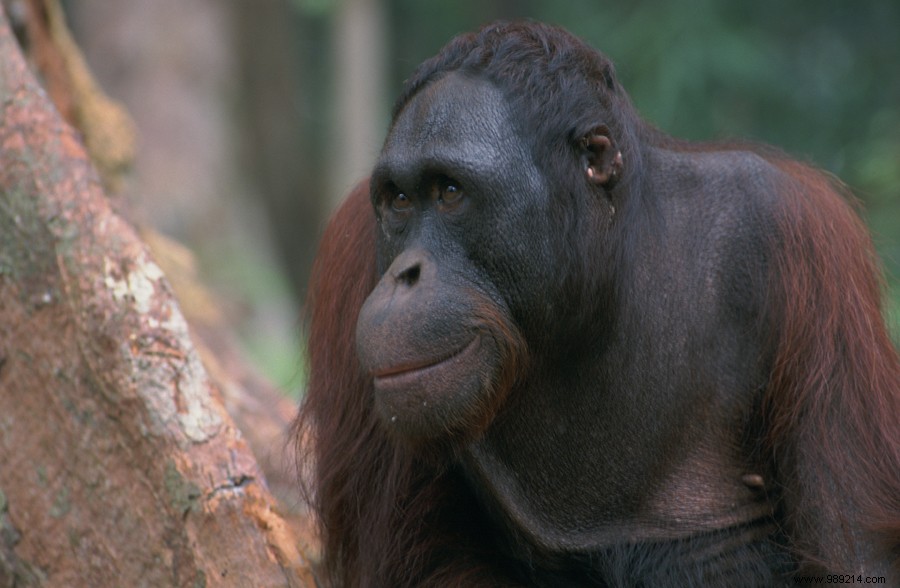
Among the first vaccinated is Karen, the orangutan who made headlines in 1994 as the first to undergo open-heart surgery.
A gorilla is next on the list. While others recovered from the virus, more doses will soon protect the remaining primates, according to the New York Times.
