China's military gains access to a pioneering COVID-19 vaccine from CanSino Biologics, even as phase 3 trials remain pending.
Chinese authorities have authorized the SARS-CoV-2 vaccine Ad5-nCoV, developed collaboratively by the Academy of Military Medical Sciences under Major General Chen Wei and CanSino Biologics in Tianjin. This approval limits use to the Chinese military for one year. But does it deliver proven protection?
Valid concerns persist. While officials cite encouraging early trial data, the vaccine has not completed phase 3 clinical trials. Phase 1 and 2 studies confirm safety and a robust immune response to the antigen. However, real-world efficacy against infection—typically assessed in phase 3—remains unproven.
CanSino Biologics declined to clarify if the vaccine is mandatory or voluntary for personnel, per Reuters.
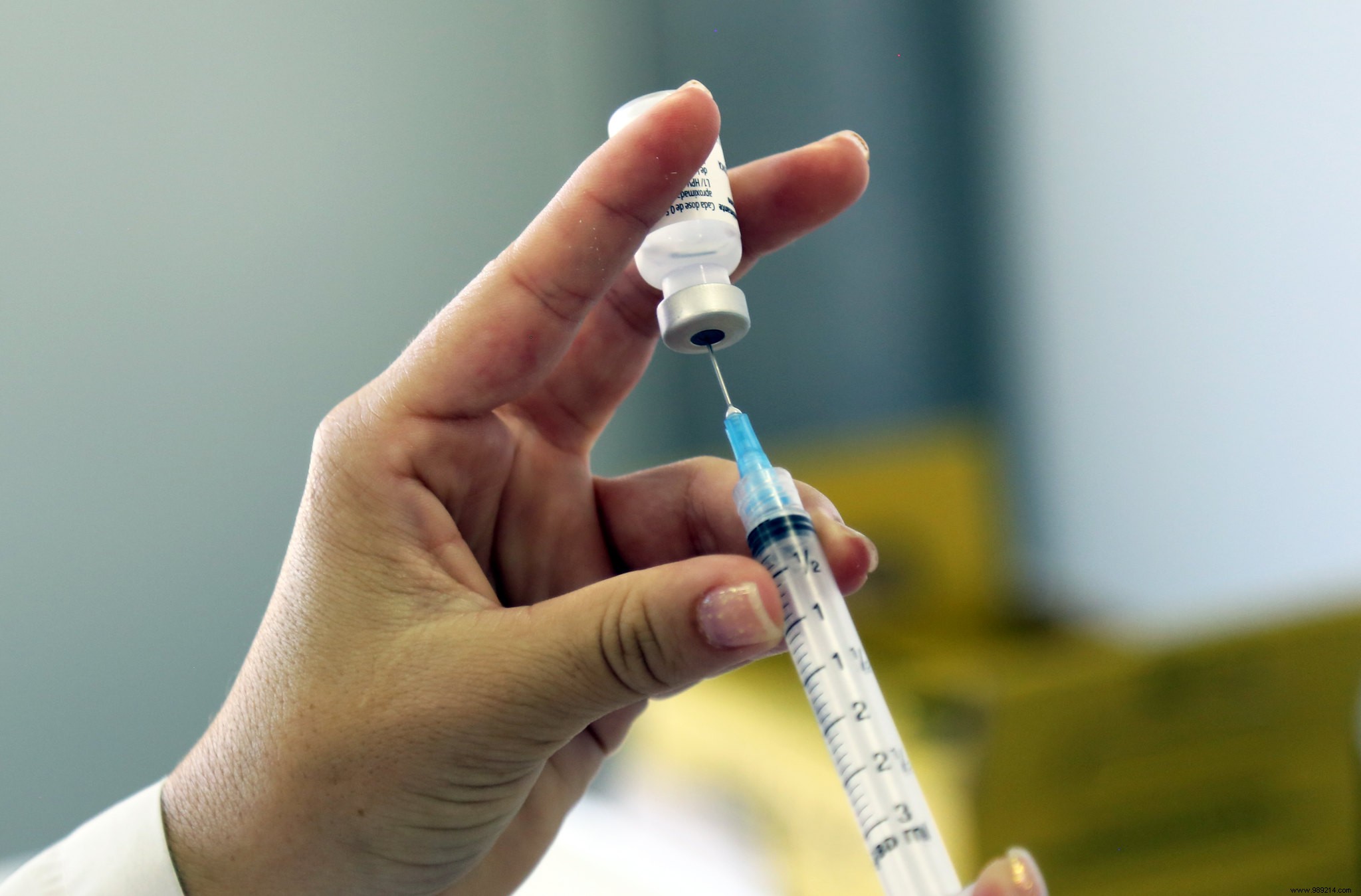
Researchers modified a common adenovirus type 5 strain, which typically causes only mild respiratory infections. They rendered it replication-deficient in human cells and engineered it to express SARS-CoV-2's spike protein—the key to viral cell entry.
This vector vaccine introduces a safe adenovirus carrying the spike protein, priming the immune system to produce neutralizing antibodies upon future exposure.
A phase 1 trial with 108 participants, published in The Lancet, demonstrated safety and strong antibody responses alongside T-cell activation. Notably, prior Ad5 exposure weakened responses, as immunity targeted the vector over the spike protein.
CanSino completed a larger phase 2 trial, though results are unpublished, according to the South China Morning Post.
The company has partnered with the Canadian government for phase 3 trials to evaluate efficacy and side effects in a broader population. Details are forthcoming.
