As vaccine shortages loom in several countries and some labs halt development, the Johnson & Johnson (J&J) vaccine shows strong promise. Officials highlight its efficacy from a single dose and straightforward logistics. Phase III trial results are expected soon.
Vaccines against SARS-CoV-2, the virus causing COVID-19, have spotlighted Pfizer-BioNTech, Moderna, and AstraZeneca-Oxford in recent months. Pfizer-BioNTech led as the first to market, but recent production cuts have strained supplies, particularly in the U.S. This has prompted reliance on Moderna, despite its own limitations and controversies.
AstraZeneca faces scrutiny from the European Union over transparency and guarantees. Meanwhile, Merck and Institut Pasteur have abandoned their efforts. Currently, three vaccines are authorized in Europe, all requiring two doses, which complicates logistics and supply chains.
Other candidates, like China's CoronaVac and Russia's Sputnik V, remain controversial. Yet, Johnson & Johnson’s U.S.-developed vaccine appears well-positioned to make an impact.
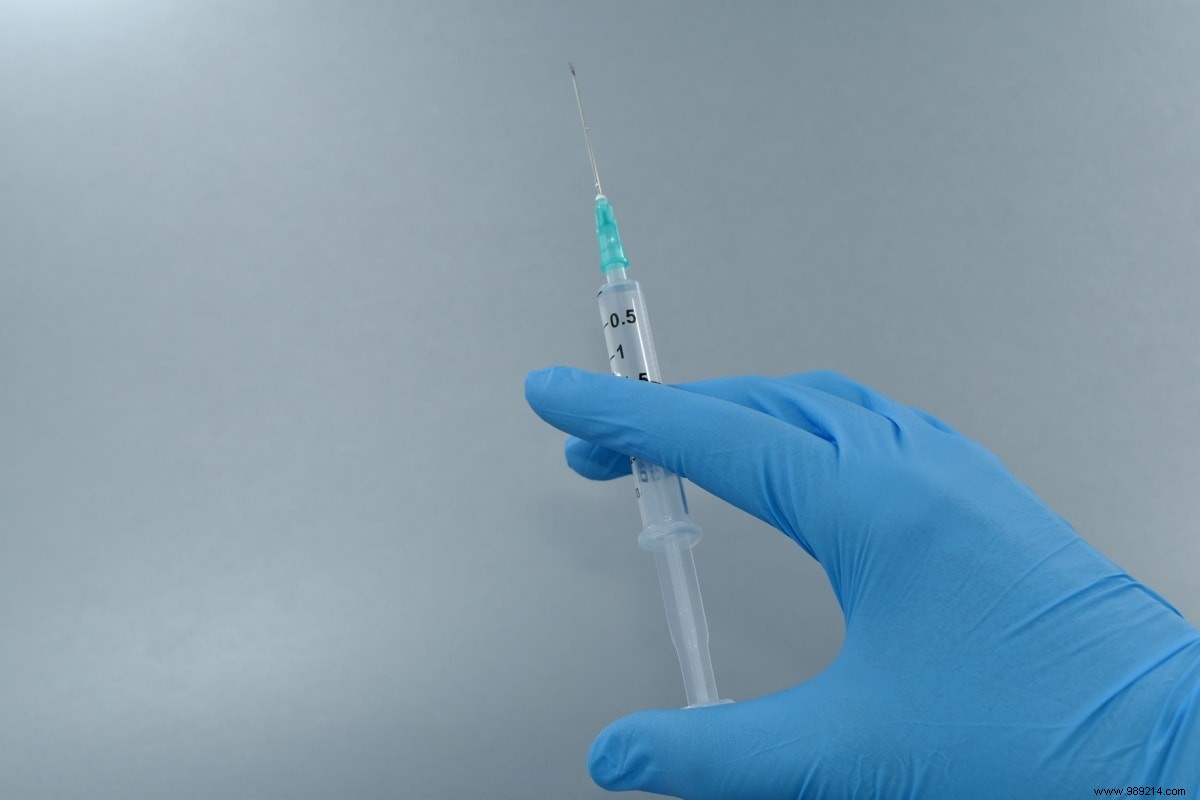
Discussions around the Johnson & Johnson vaccine began in April 2020, fueled by a major U.S. funding deal for one billion doses. Initial controversy arose from early production before human trials, but subsequent tests have yielded encouraging preliminary results, as reported in a September 2020 Wall Street Journal article. Full phase III data is imminent.
J&J's vaccine offers immunity from a single dose comparable to the two-dose regimens of Pfizer and Moderna. This simplifies administration, cutting logistical and cost barriers. Unlike mRNA vaccines, it uses an adenovirus vector, requiring only standard refrigeration—another boon for distribution.
In essence, J&J's approach could enable seamless mass vaccination worldwide, appealing to resource-rich nations and developing countries alike. Time will reveal if it earns accolades in the global fight against COVID-19.
