The World Health Organization (WHO) has approved the first-ever vaccine against malaria, a mosquito-borne disease that claims around 500,000 lives annually—nearly half of them young children in Africa. While not 100% effective, experts agree this breakthrough could significantly shift the tide against the illness.
Malaria is an infectious disease caused by Plasmodium parasites, transmitted to humans through bites from infected female Anopheles mosquitoes. According to WHO data, it affects over 200 million people worldwide each year, leading to nearly half a million deaths—94% of cases in 2019 occurred in Africa's tropical regions, Asia, and Latin America, including about 260,000 children under five. Repeated infections can weaken the immune system, making individuals more susceptible to other diseases.
Current defenses include antimalarial drugs and insecticide-treated mosquito nets, but these fall short on their own. For decades, researchers have pursued a vaccine. Numerous candidates advanced to clinical trials, yet none succeeded—until now.
Developed by GlaxoSmithKline, the RTS,S/AS01 vaccine (Mosquirix) primes children's immune systems against Plasmodium falciparum, the deadliest strain. WHO approval stems from a pilot program in Ghana, Kenya, and Malawi involving over 800,000 children since 2019.
In these trials, the vaccine showed 50% effectiveness against severe malaria in the first year. While direct mortality data wasn't measured, severe cases represent up to half of malaria deaths.
Modeling studies from last year project it could prevent up to 5.4 million cases and 23,000 deaths in children under five annually in high-burden countries.
Combined with seasonal preventive drugs, the vaccine proved even more potent, reducing severe infections, hospitalizations, and deaths far beyond either intervention alone.
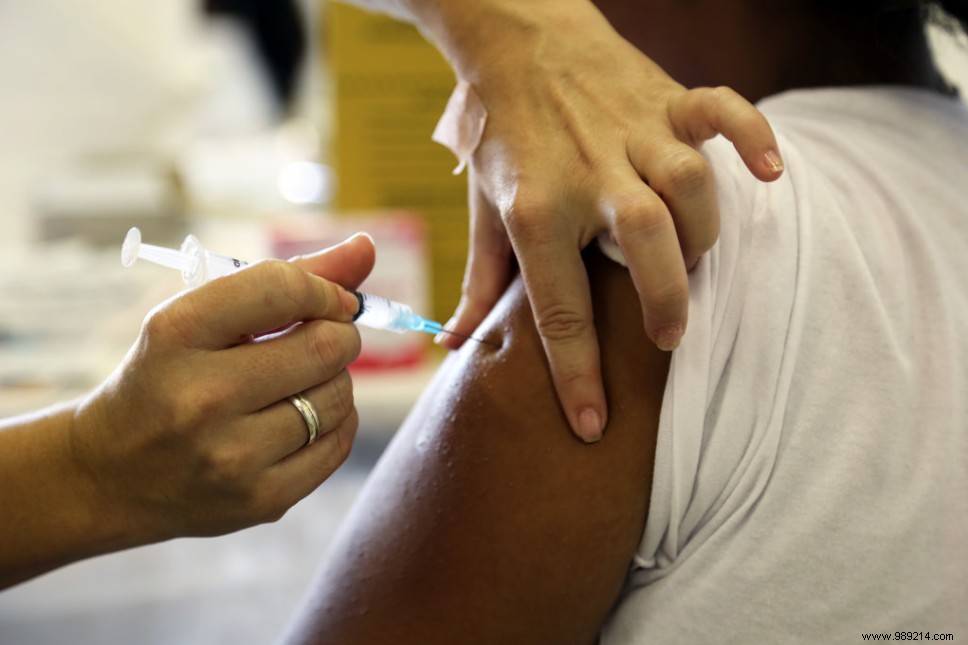
"A historic event," declared Dr. Pedro Alonso, WHO Global Malaria Programme Director. Paired with existing tools, this vaccine could save tens of thousands of young lives yearly.
Next steps involve Gavi, the Vaccine Alliance, assessing cost-effectiveness. If approved, it will fund doses for requesting nations—a process likely taking at least a year. Doses are administered in three installments from 5-17 months, with a booster at around 18 months.
