Two peer-reviewed studies published in Blood Advances shed light on how blood type may influence COVID-19 severity and infection risk. Researchers found individuals with type O blood generally faced lower risks.
COVID-19 severity varies widely among individuals, influenced by factors like age—those over 60 are often most vulnerable due to underlying health conditions—and sex, with studies showing stronger T lymphocyte responses in women. Emerging evidence now points to a potential link between blood type and both disease severity and infection susceptibility.
On October 14, 2020, Blood Advances published two studies: one from the University of British Columbia (Canada) and the other from Odense University Hospital (Denmark).
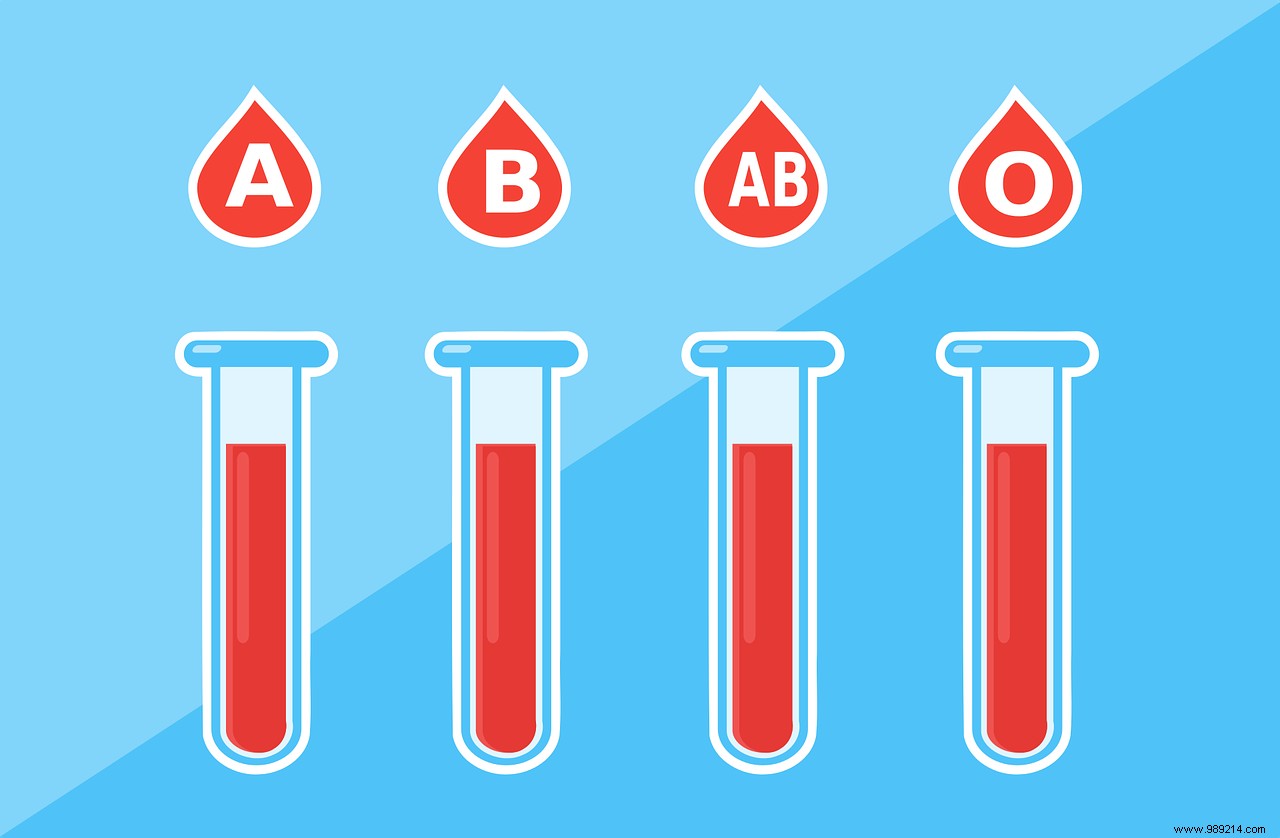
The Canadian study analyzed samples from about 100 patients hospitalized between February and April 2020. It revealed that COVID-19 patients with type A or AB blood faced higher severity risks than those with type O or B: 84% of A and AB patients required ventilation, compared to 61% of O and B patients, who also spent 5 fewer days in intensive care.
The second study focused on infection susceptibility, assessing the likelihood of contracting SARS-CoV-2 upon exposure. It found type O individuals had a lower risk of infection. Researchers retrospectively reviewed profiles of 500,000 infected patients in the Netherlands, comparing blood group distribution to a control group of 2 million uninfected individuals.
These findings should be interpreted cautiously, as population blood group distributions can influence results. Notably, a 2003 study on SARS-CoV-1 had similarly suggested blood group variations affect infection risk.
