Researchers at MIT have developed an advanced disease detection system that rivals the olfactory prowess of elite truffle-hunting dogs, accurately interpreting odors with comparable efficiency.
In July 2020, German researchers trained detection dogs on over 1,000 saliva samples, achieving a 94% success rate for SARS-CoV-2. A French project reported similar results. Now, in a study published in PLOS ONE, MIT scientists describe a system that competes with dogs' olfactory capabilities. Why automate this? Training dogs is time-intensive and scales poorly.
MIT's system sensitively analyzes the chemical and microbial content in air samples using stabilized mammalian olfactory receptors as sensors. Machine learning algorithms process data in real time to detect early disease signs.
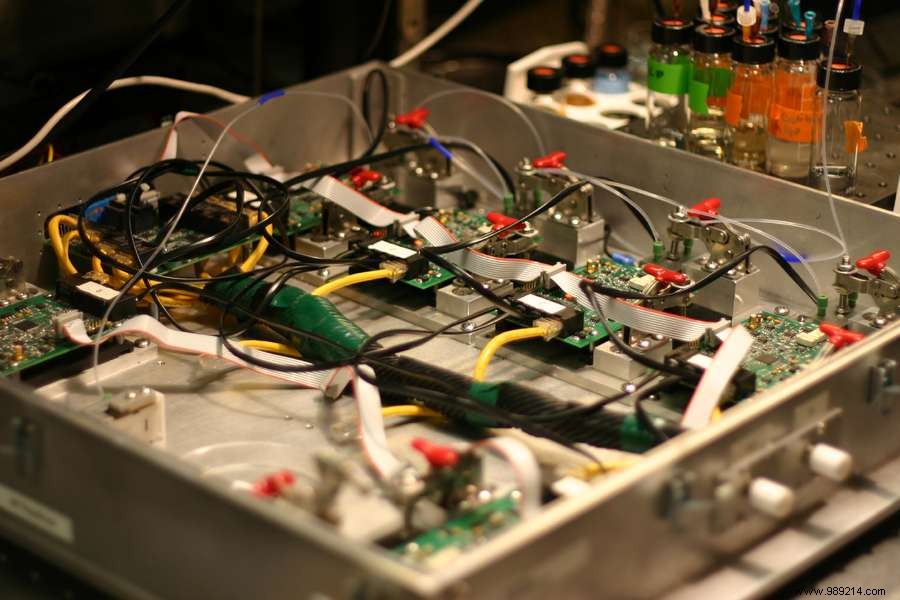
Replicating dogs' odor interpretation is complex. Tests against sniffer dogs showed the system achieving over 70% success rates on urine samples from prostate cancer patients. While 200 times more sensitive than a dog's nose, it's "100% dumber" at interpreting results.
To enhance accuracy, the team leverages machine learning to uncover patterns dogs instinctively detect—patterns that elude human chemical analysis. Dogs sense beyond our current tools, relying purely on instinct.
Full effectiveness for MIT's detector remains distant. A key hurdle: AI might train on lab-negative samples missing early-stage cancers, potentially limiting performance gains.
