U.S. researchers from Stanford University have published the mRNA sequence of Moderna's COVID-19 vaccine on GitHub, an open-source platform. Could this usher in an era of DIY vaccines?
In November 2020, Moderna announced its vaccine, mRNA-1273, with 94.5% efficacy against COVID-19. Despite criticism over its profit-driven approach, the company stated it would not pursue intellectual property violations during the pandemic, allowing potential low-cost producers to operate without legal fear.
The Stanford team obtained a sample of mRNA-1273 and used advanced reverse-engineering techniques—comparing it to genetic material from vaccinated individuals—to decode the mRNA sequence encoding the SARS-CoV-2 Spike protein. They then shared it openly on GitHub.
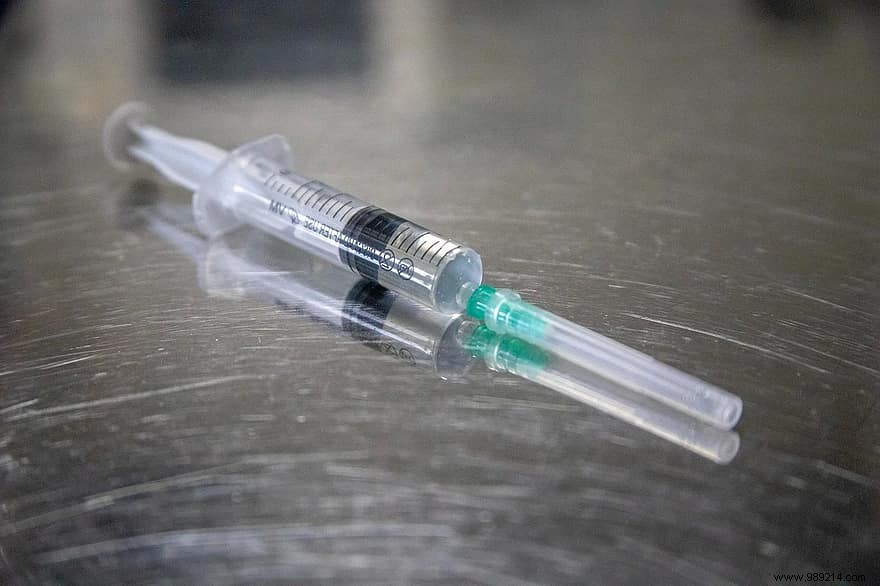
In theory, anyone with the right equipment could replicate the vaccine, as the mRNA sequence, lipids, and production methods are now public knowledge. However, garage-style DIY production faces insurmountable barriers.
Amateurs lack the sophisticated supply chains, sterile facilities, and quality controls needed for safe mRNA vaccines. Public trust in unregulated "underground" batches would be nonexistent. That said, well-resourced companies could accelerate production without official licensing or tech transfer, saving significant time.
While unlikely to combat COVID-19 directly, this open-source release could advance mRNA research and vaccine development for future pandemics, benefiting science broadly.
