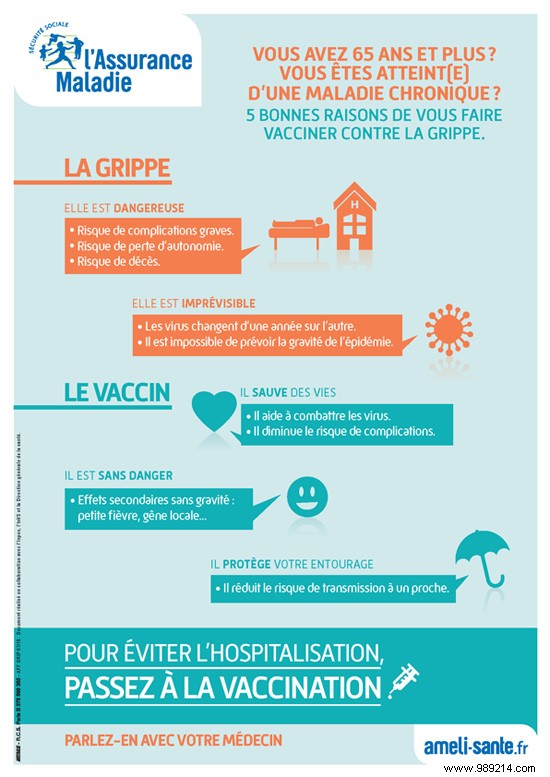
The 2009 H1N1 influenza outbreak left a lasting impact—not just medically, but by fostering widespread skepticism toward flu vaccinations.
A recent survey revealed that 70% of French adults have no plans to get the flu vaccine this season. Among them, 52% cited its perceived uselessness, while 22% worried about risks. This doubt stems partly from last winter's vaccine, which was only 30% effective due to a mismatch with circulating strains.
In response, health authorities, including national health insurance, launched campaigns promoting vaccination. These include TV ads featuring France Télévisions hosts urging, "Influenza: Get vaccinated to avoid hospitalization." At-risk groups—those over 65 or with chronic conditions—receive personalized invitation letters for free shots, targeting about 10 million people.
The Institute for Health Surveillance (InVS) reported 18,300 flu-related deaths last year, 90% among those over 65. Even at the WHO-recommended 75% vaccination rate, this would prevent only around 3,000 deaths—a modest proportional impact.
Experts also recommend shots for pregnant women to protect newborns up to 6 months, and young children, who spread the virus efficiently and face severe risks under age 1.
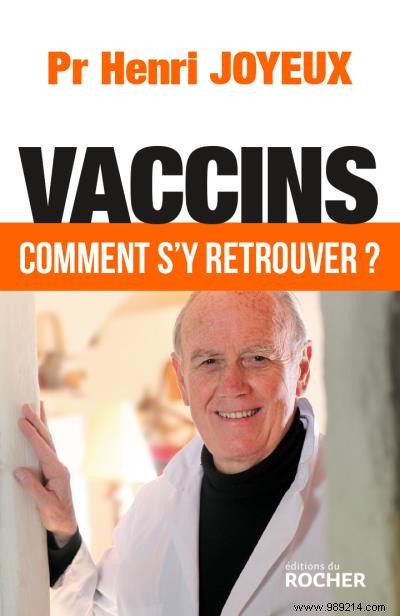
Renowned former surgeon and oncologist Professor Henri Joyeux, in his book Vaccines: How to Find Your Way?, labels the flu vaccine a "laboratory scam" due to limited transparency on side effects.
Forming a balanced view is challenging amid past controversies: the 2009 H1N1 vaccine rollout debacle, HPV vaccine debates, Hepatitis B's alleged multiple sclerosis links, and shortages of adjuvant-free DT-polio vaccines, forcing use of a hexavalent alternative (DTP + pertussis + Hib + Hep B) that Joyeux deems risky for infants.
While not endorsing all such views, it's clear that pharmaceutical lobbies exert strong influence on doctors and policymakers, often lacking deep health expertise.
A 2015 vaccination policy review, commissioned by Health Minister Marisol Touraine to former PS deputy Sandrine Hurel, is pending. Ultimately, vaccination remains a major public health advance—when applied judiciously, free from commercial pressures.
