ANSES experts conclude there's no evidence that companion animals or livestock play a role in transmitting SARS-CoV-2.
Misinformation about COVID-19 origins, treatments, and transmission has proliferated online. Recent rumors suggested pets and farm animals could act as vectors. To address this, France's National Agency for Food, Environmental and Occupational Health & Safety (ANSES) convened specialists for a thorough review.
Their published opinion states: Based on current scientific data, there's no evidence companion animals or livestock contribute to spreading this novel coronavirus.
The report notes, "SARS-CoV-2 likely originated from bats, possibly via an intermediate host. However, human-to-animal transmission appears unlikely under present conditions."
The rumor stemmed from detecting a viral receptor in a Hong Kong dog exposed to an infected owner.
ANSES clarifies that "while this receptor exists in some pets and may interact with the virus, it's insufficient for infection—other cellular factors are required for replication."
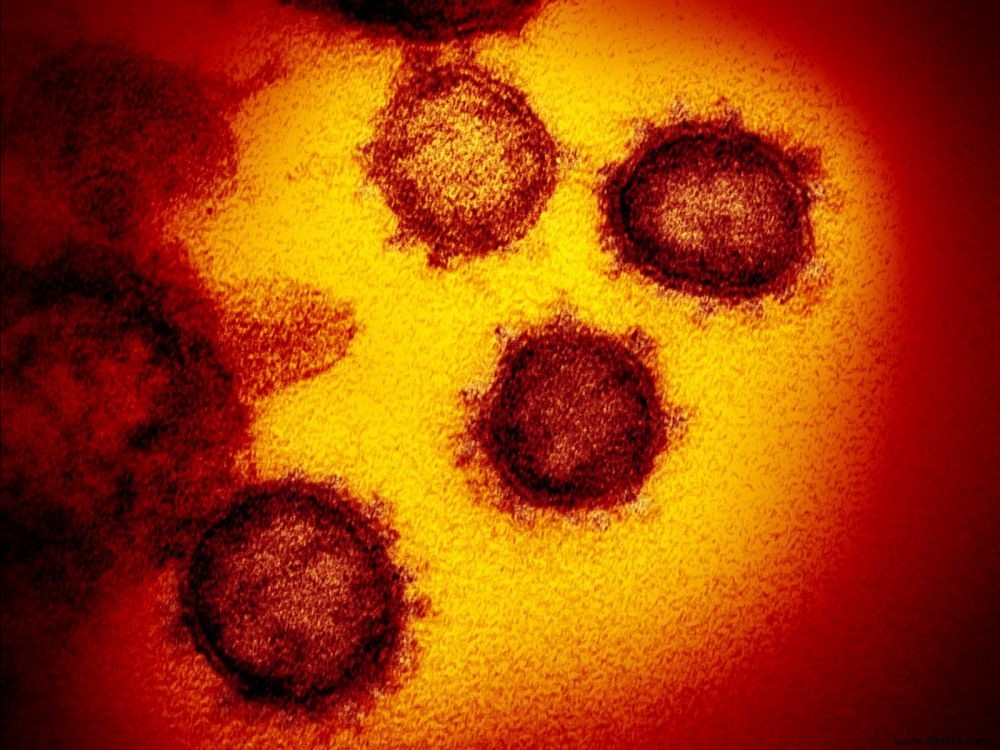
Experts also ruled out COVID-19 transmission through food from infected animals.
However, surface contamination by infected handlers remains possible: "Any food could be exposed to droplets from coughing or sneezing."
ANSES recommends standard hygiene practices like covering coughs and frequent handwashing to prevent food contamination. Notably, heating food to 63°C for 4 minutes reduces viral load by a factor of 10,000, as used in institutional catering.
Source
Related articles:
