Amid the ongoing COVID-19 pandemic, new scientific findings continue to emerge. A recent Italian study suggests that pregnant women infected with SARS-CoV-2 may transmit the virus to their fetuses. Does this mean expectant mothers should avoid breastfeeding?
Pregnant women testing positive for SARS-CoV-2 could transmit the virus to their babies, according to research led by Prof. Claudio Fenizia from the University of Milan, Italy. Presented at the 23rd International AIDS Conference and available as a preprint on medRxiv (as of July 10, 2020), the study examined 31 hospitalized pregnant women with the virus.
Prof. Fenizia's team detected specific antibodies in the placentas, umbilical cords, or breast milk of many participants. In one case, the virus was found in the placenta, umbilical cord, and vagina. The researchers state these findings "strongly suggest" in utero transmission is possible. Notably, IgM antibodies, which do not cross the placenta, indicate direct fetal exposure to the virus.
"Considering the global infection rates, the number of affected pregnant women could be substantial," noted Prof. Fenizia.
While intriguing, these results are preliminary, and it's too soon to assess full risks. Importantly, none of the 31 newborns tested positive for COVID-19. All mothers were in their third trimester; ongoing studies on earlier infections will provide more clarity on potential impacts.
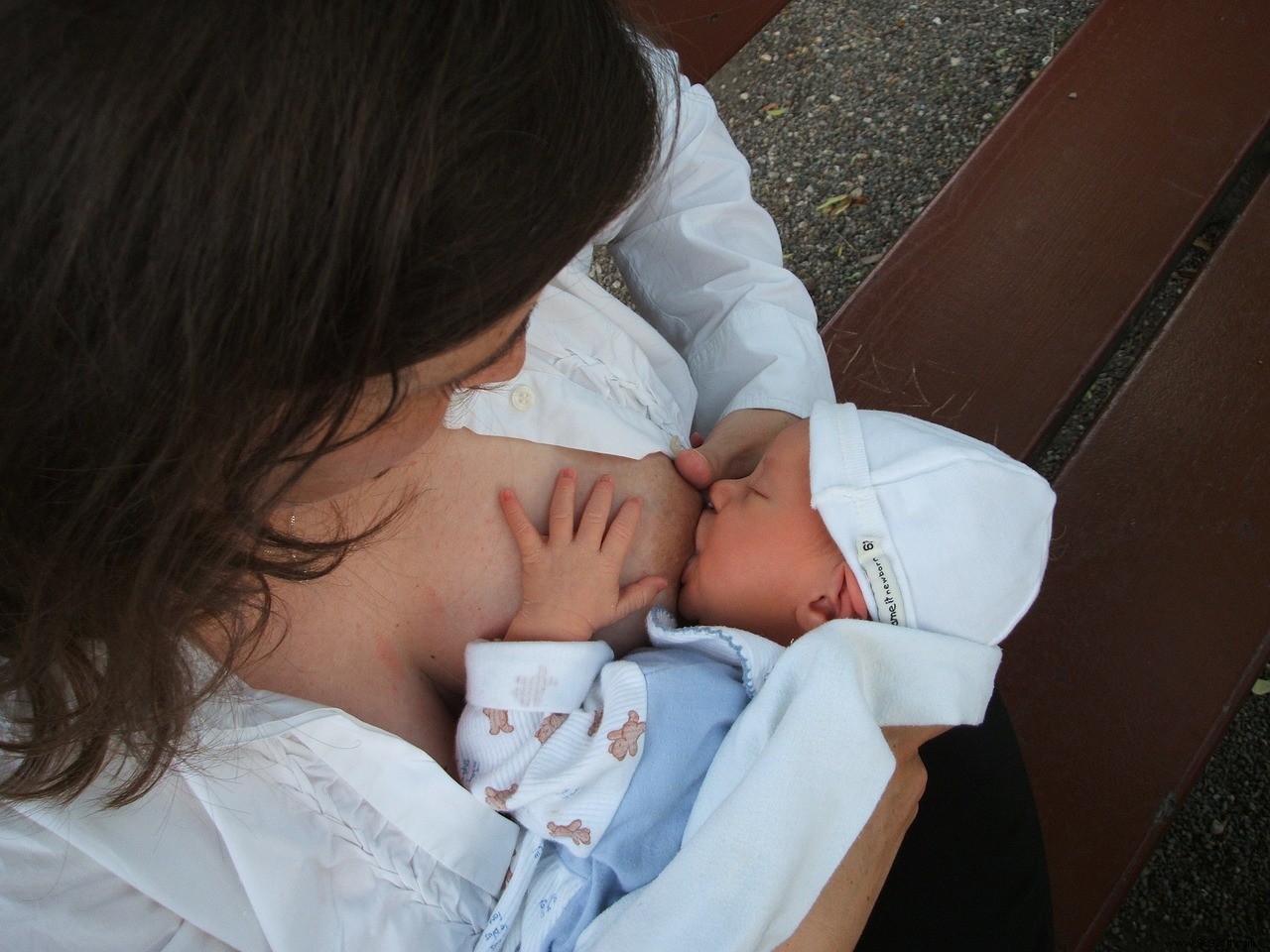
Despite the possibility of in utero transmission, the researchers align with World Health Organization (WHO) guidance: infected mothers should continue breastfeeding. The WHO emphasizes that newborns face low COVID-19 risk but high vulnerability to other illnesses preventable through breastfeeding.
