In a groundbreaking study published in Nature, Stanford researchers tracked movements of 98 million Americans during the first COVID-19 wave to pinpoint high-risk gathering spots for transmission.
As the novel coronavirus circulated globally for nearly a year, with a second winter wave emerging, the U.S. led with over 10 million cases and more than 240,000 deaths. France reported nearly 2 million cases and over 40,000 fatalities.
A key challenge: identifying "superspreader" locations where transmission risks were significantly elevated. Pinpointing these could sharpen pandemic response strategies.
Stanford experts leveraged anonymized mobile data from 98 million individuals during March-May 2020, supplied by SafeGraph, which aggregates app-based location insights on daily visits and dwell times.
Focusing on 10 major U.S. metros like New York, San Francisco, and Los Angeles, they integrated the data into an epidemiological model to evaluate outbreak dynamics in public venues.
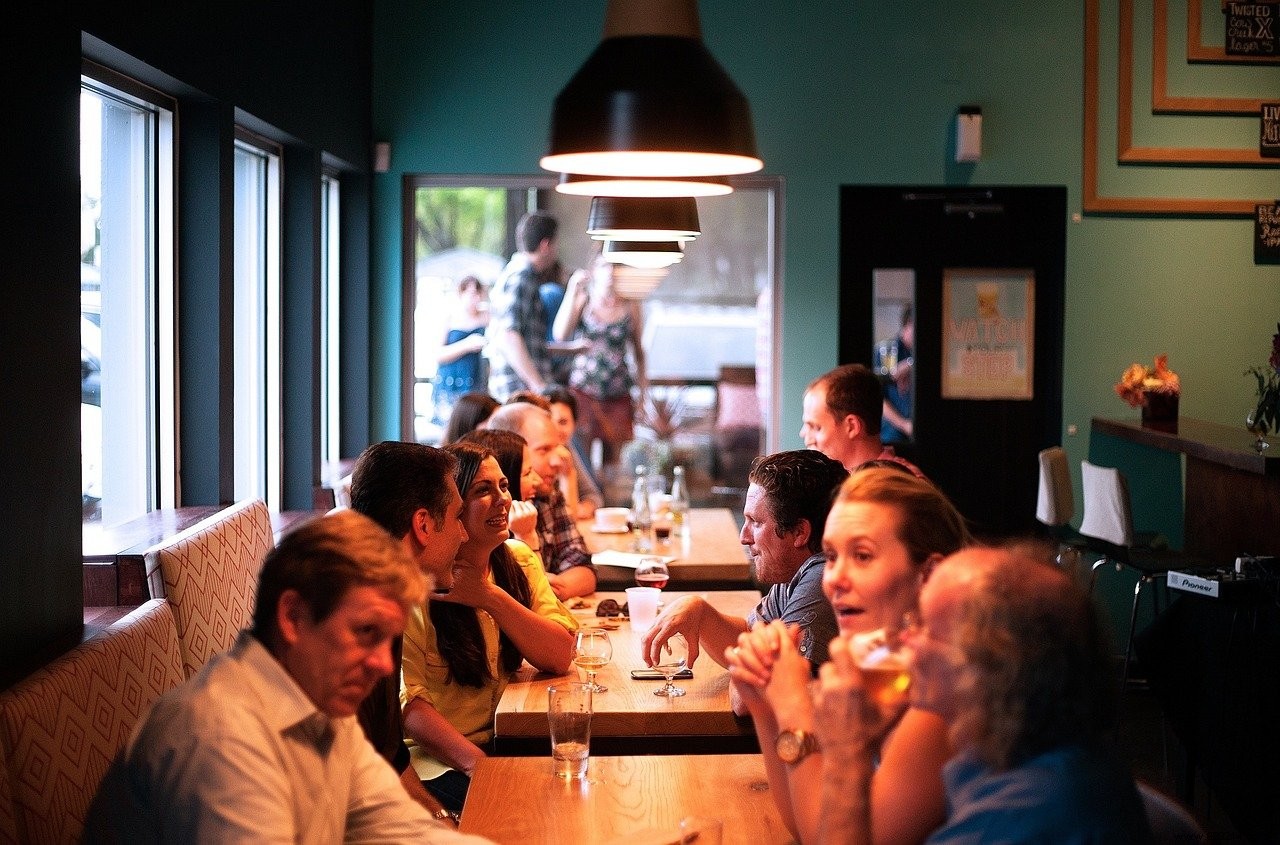
Findings highlight restaurants, cafes, gyms, hotels, and religious sites as primary drivers of COVID-19 spread.
These insights may have informed recent French policy; while shops eyed reopening in early December, Prime Minister Jean Castex noted that bars, restaurants, and gyms posed inherently higher contamination risks.
Merging with demographics, the data explains higher infection rates in low-income areas: women, often unable to work remotely, frequent more crowded stores and linger longer than those in affluent zones.
Researchers acknowledge limitations: the dataset doesn't capture all populations or potential spread sites.
