Two years into the COVID-19 pandemic, experts have confirmed the virus attacks multiple organs, from the lungs to the brain, triggering respiratory issues and psychological effects. As a systemic condition, it promotes coagulation that damages blood vessels, blocking veins and arteries—a reality we've all come to recognize. Now, researchers are documenting blindness in survivors.
A study in JAMA Network Open reveals a clear link between vision impairment and COVID-19 infections. A University of Michigan team tracked patients for six months post-infection, analyzing eye vascular blockages. Their findings highlight clot formation that starves eye tissues of blood, potentially causing partial or total vision loss.
The virus disrupts blood flow in two key ways. First, it promotes clotting, leading to disseminated intravascular coagulation (DIC) or fatty buildup in vessels—reducing supply to organs. Second, it infiltrates endothelial cells that control blood flow, triggering vasculitis or vessel wall inflammation. Eyes, with their delicate, narrow vasculature, are especially vulnerable, risking retinal vascular thrombosis—blockage of the main eye artery that can result in irreversible blindness.
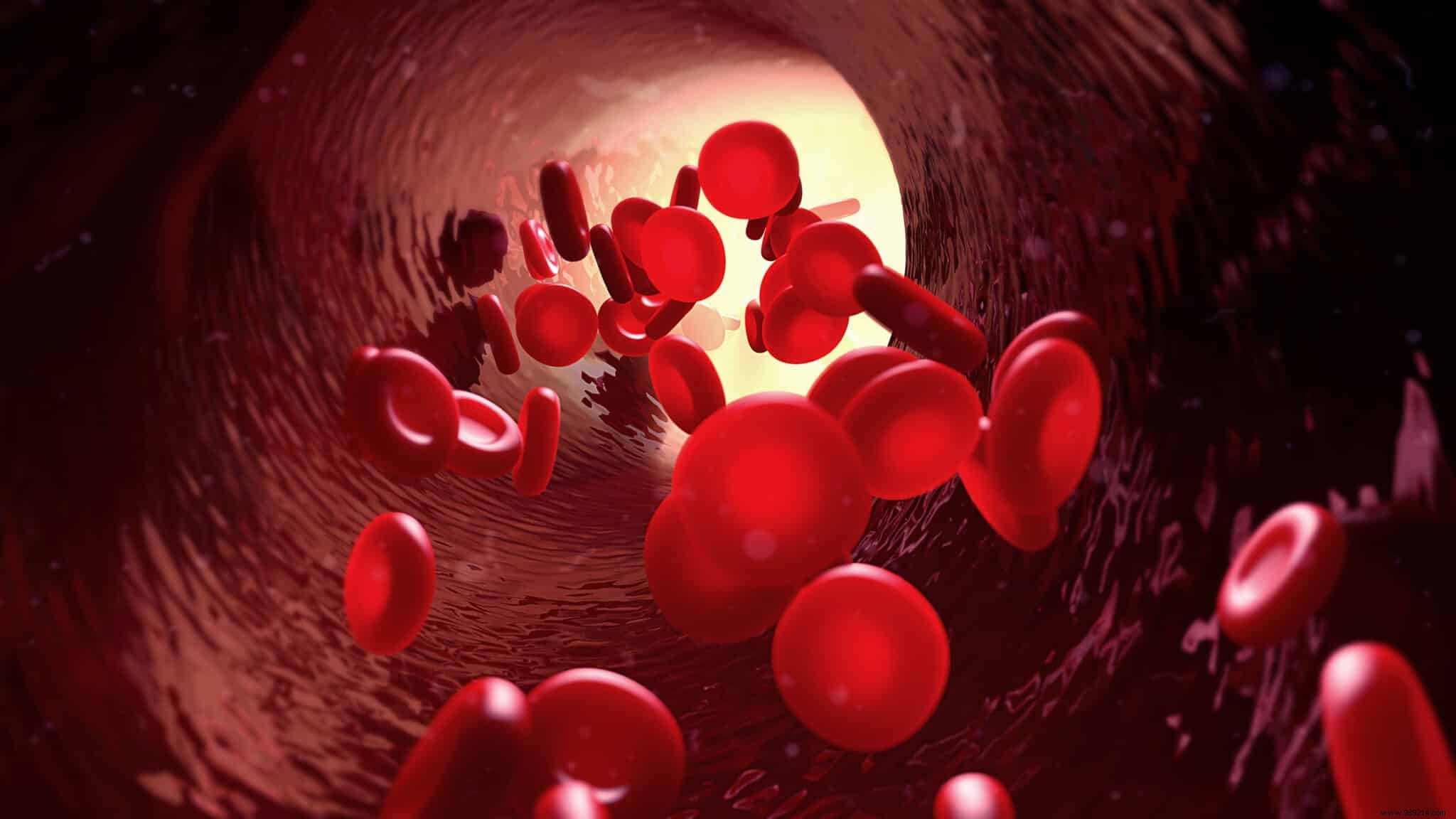
“Patients with COVID-19 are predisposed to emboli formation due to intravascular coagulation and hypoxia. The combination of vascular damage from COVID-19 and higher emboli tendencies may increase retinal vascular occlusion risk,” the researchers note.
Symptoms often strike suddenly in one eye—vision decline without pain. Prompt anticoagulant treatment can resolve issues and restore pre-COVID sight in many cases. However, severe venous blockages causing total blindness lack effective solutions to date.
