Cooking eliminates most harmful bacteria from food, but some techniques introduce serious risks. Which methods are unsafe, and why?
The British Food Standards Agency, quoted by BBC on June 29, 2020, warns that high-temperature cooking produces acrylamide. This compound forms via the Maillard reaction when foods heat between 90°C and 130°C, creating aromas and browning—especially in carb-rich items where starch darkens or burns. Techniques like roasting, frying, or grilling generate acrylamide.
Used industrially in paper, dyes, and plastics production, acrylamide poses long-term risks including cancer and nerve damage.
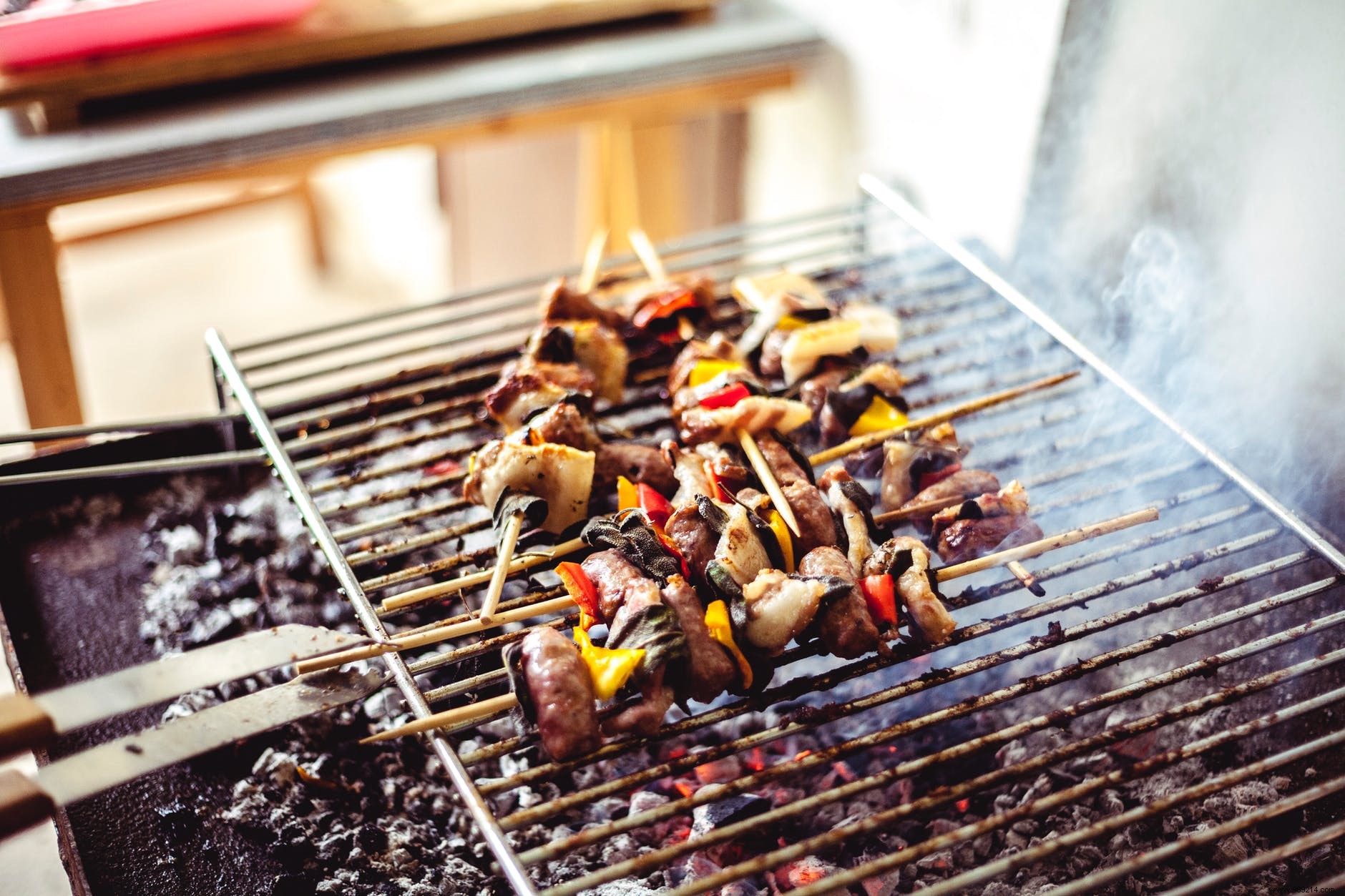
Cooking fumes also threaten lung health. A 2017 Chinese meta-analysis in the Journal of Cancer Research and Clinical Oncology linked oil fumes—rich in carcinogenic aldehydes—to higher lung cancer risk.
Prevent acrylamide by avoiding overcooking. For aldehydes, skip sunflower oil, deep frying, and frying pans. Choose oils low in unsaturated fats, like rapeseed oil.
Modern options like electric hobs, microwaves, and toasters offer variety, though microwaves draw criticism. Steaming stands out as one of the healthiest methods.
Even raw food diets fall short: A 1999 German study tracking adherents found many underweight, with one-third of women experiencing menstrual disruptions.
