The French Research Institute for the Exploitation of the Sea (Ifremer) conducted tests to check for SARS-CoV-2 (COVID-19) in marine environments. Results confirm the virus is absent from seawater and shellfish. Separate studies also examined rivers, lakes, and pools.
As France eased lockdowns in 2020, Ifremer shared findings from seawater and shellfish samples in a May 18 press release. The aim was to detect any potential COVID-19 presence in the ocean, especially after traces were found in wastewater.
Tests on 21 samples of oysters and mussels, plus 3 seawater samples from France's coasts—including areas with possible human waste—showed no COVID-19. Researchers attribute this to seawater's salinity, which significantly curbs the virus's viability.
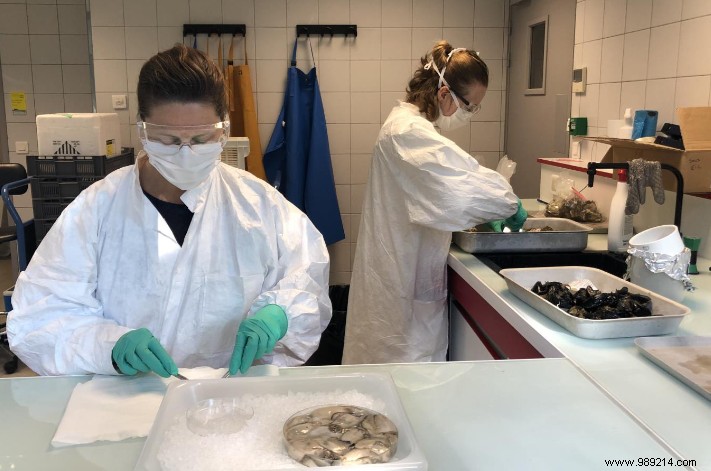
These results offer good news, though experts caution it's not yet possible to confirm total absence across all French coastal waters and shellfish. Ifremer plans ongoing sampling every two weeks for months.
While saltwater appears safe, what about freshwater in lakes and rivers? A May 5, 2020, study by Spain's Superior Council for Scientific Research (CSIC) analyzed seawater, lakes, rivers, and pools.
Chlorinated pool water inactivates COVID-19, as do high-temperature jacuzzis. However, rivers and lakes pose higher risks without these protections, plus potential wastewater contamination. Experts recommend avoiding them.
