As summer arrives alongside lingering COVID-19 concerns, fears of mosquito-transmitted infections may rise. Yet, Italy's Istituto Superiore di Sanità (ISS) has released compelling research proving mosquitoes cannot spread the virus. Building on WHO guidance, this study delivers definitive scientific evidence.
The World Health Organization (WHO) addressed this in its "Mythbuster" publication, stating mosquito bites do not transmit COVID-19. It highlighted the lack of any evidence for such transmission, emphasizing the disease's respiratory nature, where infected droplets are the primary vector.
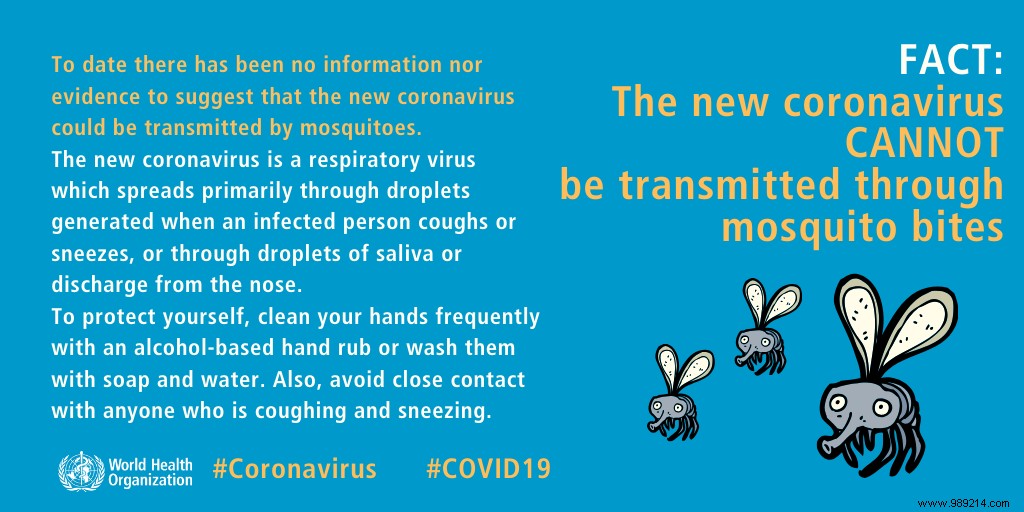
To provide concrete proof, Italy's ISS conducted rigorous tests, concluding in a June 26, 2020, press release that mosquitoes pose no threat to SARS-CoV-2. This work partnered with the Istituto Zooprofilattico Sperimentale delle Venezie (IZSVe), experts in animal health and food safety.
Researchers examined the common house mosquito (Culex pipiens) and the notorious tiger mosquito (Aedes albopictus), known for transmitting dengue, chikungunya, Zika, and yellow fever. In 2019, the tiger mosquito expanded across much of the country, prompting vigilant monitoring. The ISS performed comprehensive experimental infection tests to evaluate their vector potential. Key finding:
"The study showed that the virus, once transmitted to the mosquito by an infected blood meal, is not able to replicate and therefore transmitted through a bite."
Further results from ISS and IZSVe are forthcoming, but this evidence definitively excludes mosquitoes from COVID-19 transmission. While only two species were tested, it's highly improbable others could carry the virus. Importantly, this research elevates WHO's initial hypothesis to proven fact through empirical data.
