Experts studying coronaviruses, including those behind early COVID-19 research, have gathered extensive knowledge. While direct data on the novel coronavirus's survival on surfaces was initially unavailable, scientists at Germany's Ruhr University drew reliable comparisons from well-documented studies on SARS and MERS coronaviruses.
As of February 12, 2020, global reports confirmed 44,794 cases and 1,112 deaths. Health authorities established that COVID-19 (previously 2019-nCoV) spreads person-to-person, with an incubation period of 2 to 10 days. Transmission occurs via respiratory droplets or contact with contaminated surfaces and objects.
In a key publication in the Journal of Hospital Infection (February 6, 2020), Ruhr University researchers compiled data on the persistence and disinfectant resistance of human coronaviruses like SARS and MERS, plus animal coronaviruses such as canine enteric coronavirus (CCV) and transmissible gastroenteritis virus (TGEV), on inanimate surfaces.
Lacking specific measurements for the novel coronavirus at the time, the team analyzed similarities with SARS and MERS. Both exhibit comparable persistence on materials like paper, glass, and plastic, suggesting COVID-19 behaves similarly.
Findings indicate COVID-19 likely persists on surfaces for an average of 4 to 5 days, with viability dropping sharply above 30°C. Cooler temperatures extend survival to up to 9 days. This is relatively short compared to some viruses that endure over two months.
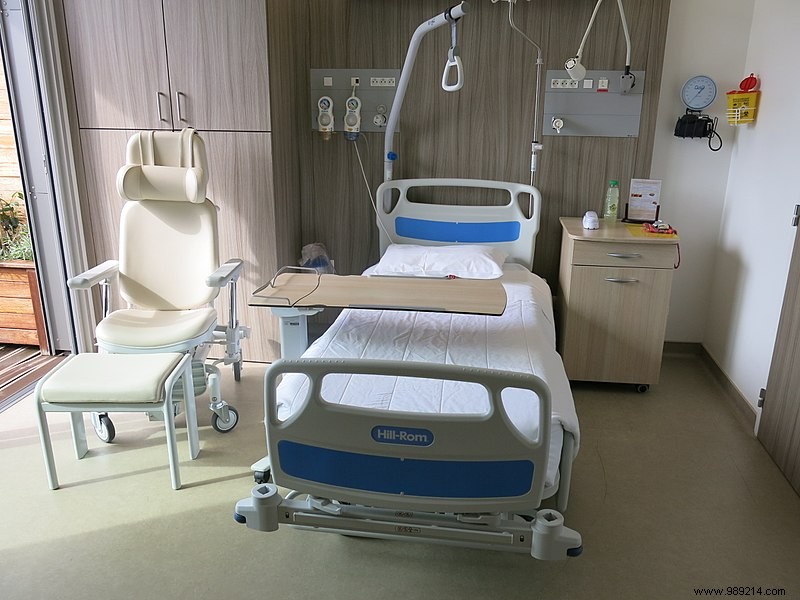
With no targeted treatments available then, prevention was critical. In healthcare settings, the virus can linger on door handles, bedside tables, call buttons, and items near patients.
Disinfectant studies highlight the efficacy of ethanol-based solutions, sodium hypochlorite, and hydrogen peroxide, which can reduce viral load from millions to just 100 particles per surface.
Source
Related Articles:
