While countries like China and South Korea disinfect banknotes, Europe views the contamination risk as minimal. Though evidence is limited, the WHO offers practical advice to minimize potential spread via cash.
Banknotes circulate frequently from hand to hand, making them prone to harboring germs. As reported by The Telegraph on March 2, 2020, such surfaces can retain viruses for days, potentially enabling transmission.
In response, China and South Korea isolate used notes, treating them with UV light and high heat. Notes from high-risk areas are sometimes destroyed. In the US, dollars from Asia undergo quarantine. The European Central Bank states: "So far, there is no evidence that the coronavirus has been spread by euro banknotes."
A February 12, 2020, study from Germany's Ruhr University examined SARS and MERS coronaviruses—close relatives of COVID-19—on glass, plastic, and paper. Findings suggest COVID-19 could survive 4-5 days on similar surfaces.
Temperature matters: Survival drops above 30°C, but cooler conditions may extend it to nine days.
"This study did not demonstrate transmission from notes to humans handling them. Take these results cautiously—banknotes aren't proven disease vectors," notes an Inserm spokesperson.
Echoing this, an ECB spokesperson told BFMTV: "Like flu on any surface, droplets may linger briefly on notes, but transmission risk is far lower than from door handles, hands, switches, or carts."
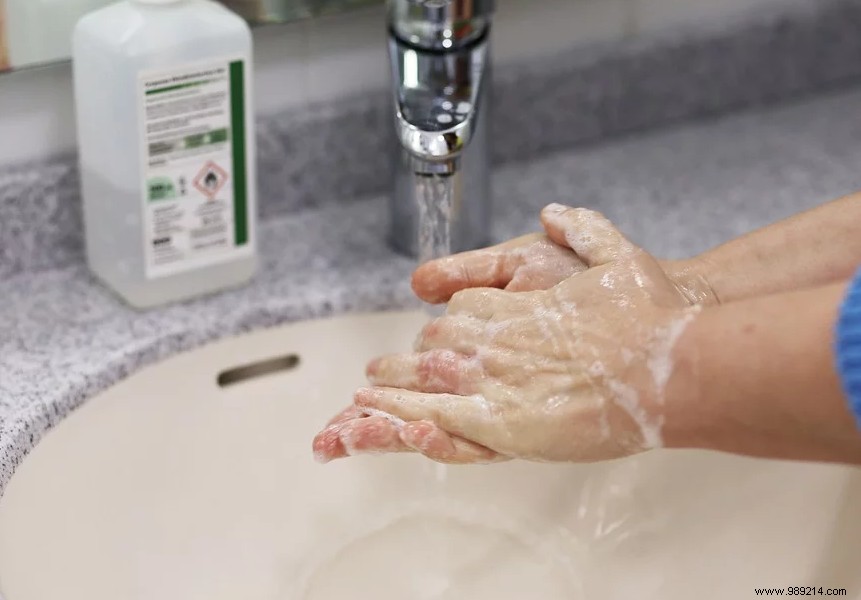
Despite low risk, the WHO advises prioritizing contactless payments. For cash users, thorough and frequent handwashing is essential. Strong personal hygiene remains the top defense against illness.
Source
Related Articles:
