Researchers at University Hospital Zurich have engineered a pioneering machine that sustains human livers outside the body for seven days.
In France alone, over 1,000 liver transplants occur annually. These procedures face strict time constraints: livers must be transplanted within 18 hours of harvest, and only healthy organs qualify. This innovation could transform the field.
A team of surgeons, biologists, and engineers at University Hospital Zurich (Switzerland) developed this advanced device, which maintains human livers viable for a full week ex vivo.
The system replicates key bodily functions through sophisticated perfusion technology, refined over four years of collaborative expertise.
“The success of this unique infusion system – developed over a four-year period by a group of surgeons, biologists and engineers – paves the way for many new applications in transplantation and cancer medicine helping patients without liver transplants,” said Pierre-Alain Clavien, chairman of the department of surgery and transplantation at the University Hospital of Zurich (USZ).
By extending preservation time, this machine could expand the donor organ pool, potentially saving countless lives among patients with liver disease or cancer.
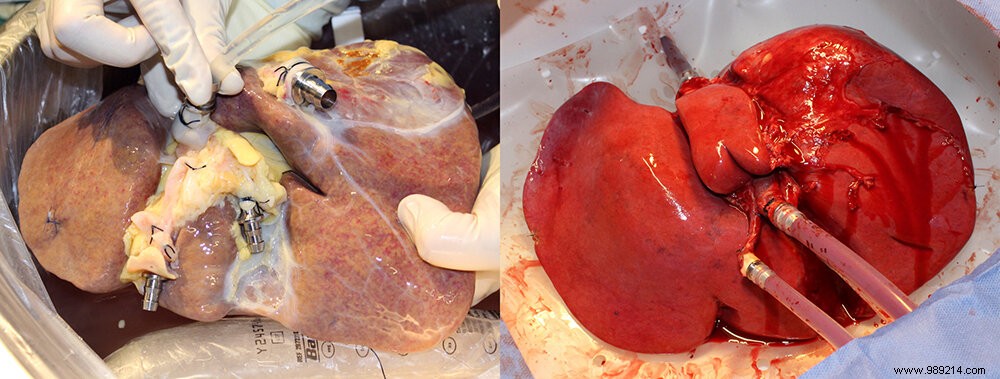
Remarkably, the device can rehabilitate marginal livers previously deemed unsuitable for transplantation, giving them a “second life.”
Published in Nature Biotechnology, a study tested 10 rejected livers from European centers. After seven days in the machine, six fully regained function.
This milestone sets the stage for direct transplantation of repaired organs into patients on waiting lists.
Source
Related articles:
