As COVID-19 vaccines roll out, conspiracy theories about government-implanted tracking chips resurface. The truth? A legitimate microchip project exists—but it's for medical monitoring, not control.
A year ago, we explored why some "antivax" individuals resist COVID-19 vaccines. While not all vaccine skeptics oppose vaccination entirely, common concerns include potential conflicts of interest between governments, health authorities, and pharmaceutical companies, as well as fears of adverse reactions or long-term side effects.
One persistent theory predates the pandemic: vaccines as a cover for implanting microscopic tracking chips. While this claim lacks evidence, implantable microchips are very much real and grounded in science.
Researchers at Columbia University in New York have developed such devices. Detailed in a Science Advances study published on May 7, 2021, these chips—measuring less than one cubic millimeter—monitor key health metrics like blood pressure, temperature, and respiration, providing doctors with actionable data.
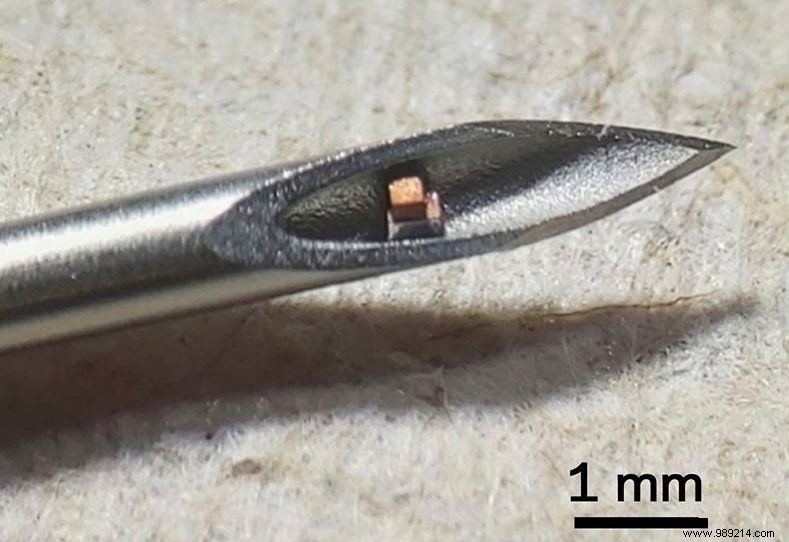
The chips relay data via a piezoelectric transducer that converts ultrasound into electrical signals, readable by doctors using a standard ultrasound probe. They can be injected via syringe, enabling real-time monitoring during surgery, for instance. Critically, access requires patient consent and proximity—no remote surveillance possible.
Still in development, these chips have been tested successfully in lab rats, including implants in the brain and hind legs for temperature tracking. Project lead Ken Shepard, a Columbia engineering professor, distances the work from conspiracies and biohacking. "I'm not a fan of implanting electronics into healthy people. The risk-reward ratio doesn't make sense," he states. This contrasts with DIY enthusiasts, like a 2019 case of a woman implanting a chip to unlock her Tesla Model 3.
