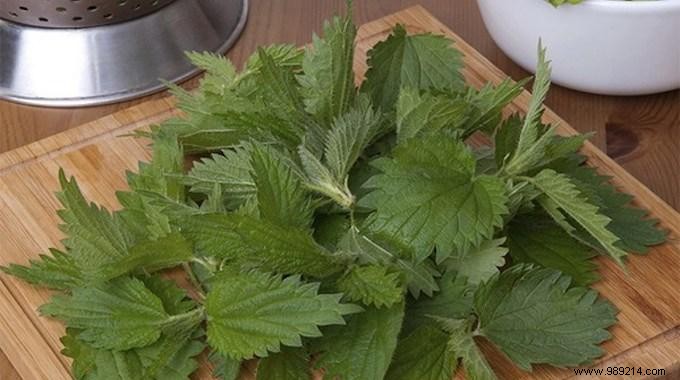
Stinging nettle (Urtica dioica) is a staple among leading modern herbalists. Known for its sting, this common wild plant offers remarkable health benefits that often go overlooked.
With years of hands-on experience foraging and using nettle, I've seen its transformative effects firsthand. Here are 6 key benefits of stinging nettle for your body:
Stinging nettle is a vital medicinal herb with remineralizing and depurative properties that effectively stop bleeding. It helps reduce heavy menstrual periods and combats anemia. Incorporating it into soups provides excellent support for blood-related issues.
For joint pain, rheumatism, sciatica, lumbago, or gout, nettle shines as a poultice. Mix green clay with young fresh nettle leaves and apply directly to the affected area until the clay dries completely.
Breastfeeding mothers can rely on nettle to boost milk production. If you're planning a pregnancy soon, start incorporating it now.
A nettle infusion makes an economical rinse to combat dandruff and oily hair. This is why many shampoos include it—but at around €13, DIY is far more cost-effective.
Nettle herbal teas excel for acne and eczema. I apply them as a lotion with a cotton pad; their proven anti-infectious properties deliver reliable results.
Packed with vitamins C, A, B, and mineral salts, nettle acts as a potent stimulant during low-energy periods. Every winter, I make nettle soup for dinner—it strengthens my metabolism against cold weather.
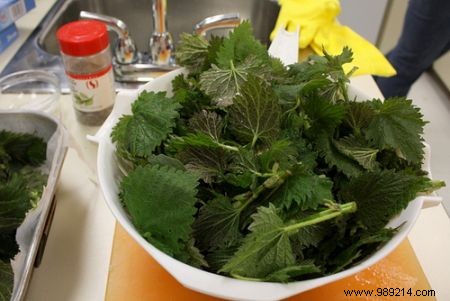
In the kitchen, nettle is incredibly versatile: soups, mashed with potatoes, pesto, quiche, butter, sauces, or sautéed like spinach.
My favorite gratin: layers of pre-cooked onions, potato slices, and boiled nettle leaves.
Nettle is easy to spot in nature, and foraging is free—delivering nutrient-rich plants without supermarket costs.
My advice: Harvest from unpolluted areas away from roads. Pick only the top 6 young shoots, richest in vitamins and minerals. Wear gloves and use scissors.
Share your nettle uses or recipes in the comments below.
