A landmark World Health Organization (WHO) study highlights a global crisis: 80% of adolescents aren't getting enough physical activity, posing serious long-term health risks.
Published in The Lancet Child & Adolescent Health on November 21, 2019, new data reveals that 80% of school-going adolescents worldwide engage in less than one hour of physical activity daily, falling short of WHO recommendations. The analysis draws from 1.6 million students aged 11-17 across 146 countries, spanning 2001-2016.
Inactivity rates are higher among girls (85%) than boys (78%). Boys were less active than girls in just four countries: Afghanistan, Samoa, Tonga, and Zambia. The gender gap exceeds 10% in nearly one-third of countries, reaching over 15% in places like the United States and Ireland.
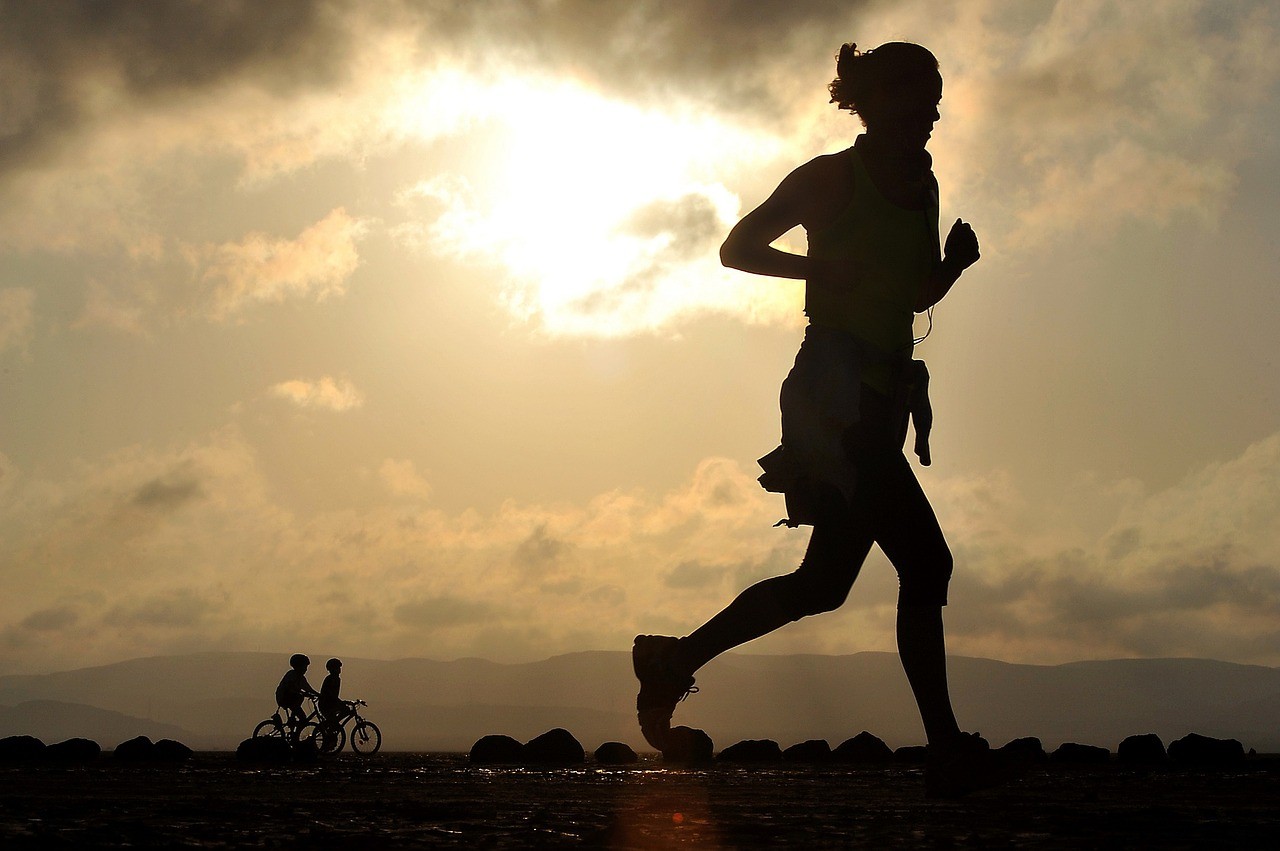
WHO experts, including researcher Leanne Riley, express particular concern for girls and call for tailored strategies to spark their interest in movement. Governments must strengthen or introduce policies promoting physical education, active play, and recreational opportunities.
Safe, accessible spaces for walking and cycling—without constant supervision—can help boost activity levels. Key stakeholders include families, schools, sports providers, urban planners, and community leaders.
Source
Related Articles:
