This month, China is hosting a World Health Organization (WHO) expert team tasked with investigating the origins of the coronavirus behind the COVID-19 pandemic. After initial hesitations from Chinese authorities, they have now pledged full cooperation.
“Today we learned that Chinese officials have not yet finalized the necessary clearances for the team's arrival in China. I am very disappointed with this news, given that two members had already started their journey and others were unable to travel at the last minute,” WHO Director-General Tedros Adhanom Ghebreyesus stated, as reported by France 24 on January 6, 2021.
Michael Ryan, WHO's head of health emergencies, offered a more pragmatic perspective, attributing the holdup to logistical and bureaucratic hurdles that could be resolved. However, two scientists had to turn back, while another remained stranded abroad.
The WHO assembled a team of about 10 renowned scientists for this critical mission to trace the virus's origins and understand its jump to humans.
China has consistently highlighted its proactive response to the outbreak domestically, yet appeared to resist the mission's arrival. With over 1.9 million deaths worldwide, the government seeks to deflect responsibility amid persistent suspicions that have dominated global headlines.
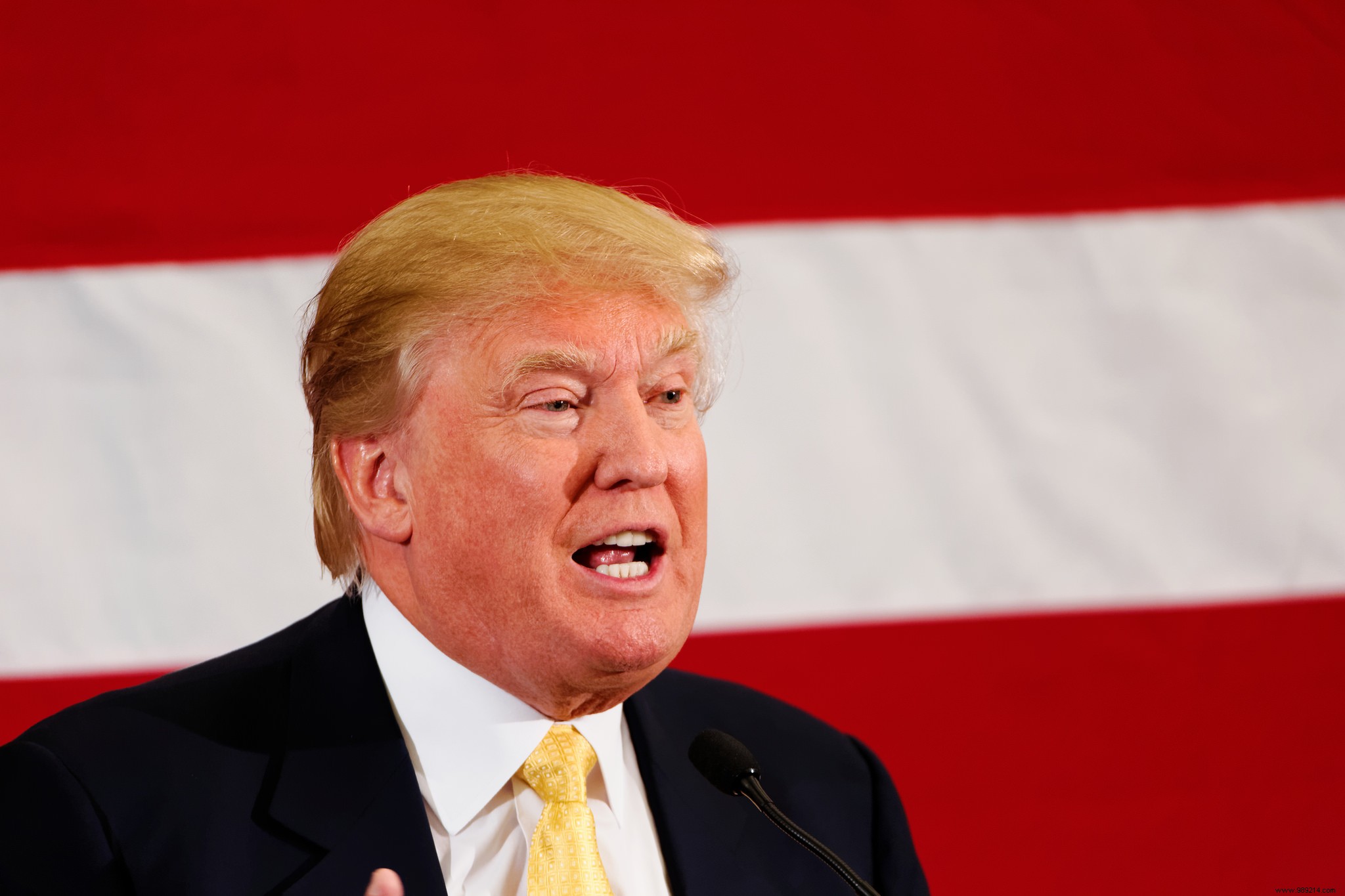
Speculation suggests China may have sought to delay until January 20, when U.S. President Donald Trump was set to leave office. Incoming President Joe Biden is perceived as more favorable toward China.
Fabian Leendertz of Germany's Robert Koch Institute, a mission member, emphasized that the effort is not about blaming any country or authority. Instead, it's focused on reconstructing events to prevent future outbreaks.
By January 9, 2021, RFI reported China's commitment to "actively support the WHO expert team." Administrative issues are being streamlined. China's National Health Commission has formed a counterpart team of virologists, epidemiologists, and physicians to assist.
Upon arrival, the experts will undergo a mandatory 14-day quarantine before conducting three to four weeks of fieldwork, including a prompt visit to Wuhan—site of the initial quarantine of its 11 million residents one year prior.
