The World Health Organization (WHO) has certified the African continent free of wild poliovirus (WPV), the virus causing poliomyelitis. Years of dedicated vaccination campaigns have overcome immense challenges to achieve this landmark victory.
All African countries have now eradicated wild poliovirus, as announced by the African Regional Certification Commission (ARCC) during a WHO-hosted event. The last case was reported in 2016 in Borno State, northeastern Nigeria.
“Today, members of the Africa Region Certification Commission [the ARCC, a WHO certification body] confirm that transmission of wild poliovirus has been interrupted in Africa,” said ARCC President Dr. Rose Leke. “Thanks to the efforts of governments, health workers, and communities, more than 1.8 million children have been saved” from this devastating disease, WHO stated in a press release.
Wild poliovirus, one of three strains causing polio, is highly infectious and targets the nerve cells of the spinal cord, potentially leading to partial or complete paralysis, particularly in children. In severe cases, paralysis of breathing muscles can be fatal.
It spreads primarily through contaminated food, water, or objects via fecal-oral transmission, and less commonly through respiratory droplets from sneezing or coughing. While no cure exists, a complete polio vaccine series is over 99% effective in preventing infection.
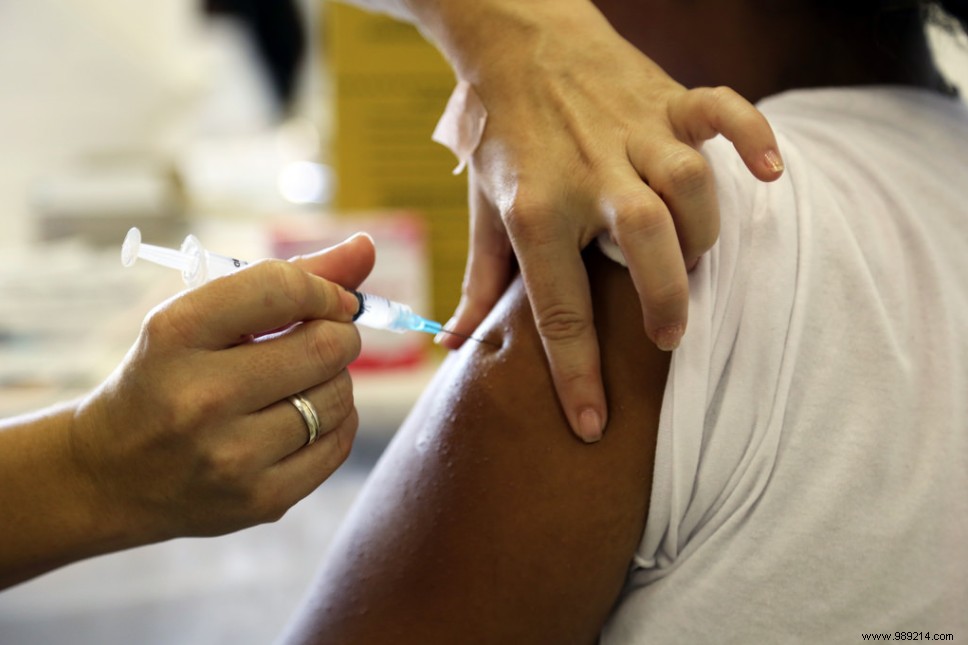
Eradicating wild poliovirus in Nigeria required coordinated vaccination drives in Borno State by the Global Polio Eradication Initiative, involving national governments and local leaders.
Health workers faced threats from Boko Haram insurgents. Government-approved military and militia provided escorts to protect them, according to Dr. Tunji Funsho, Rotary International's Nigerian polio coordinator, speaking to Reuters.
Tragically, “around 20 medical staff or volunteers were killed in the region for this cause over the past few years,” noted Dr. Musa Idowu Audu, WHO coordinator for Borno State.
Some communities resisted due to fears of side effects, fueled by jihadist claims of sterilization plots targeting Muslims.
“Several polio survivors joined intervention teams, helping to build trust in local communities,” said Misbahu Lawan Didi, president of the Nigerian Association of Polio Survivors, in an interview with BBC News.
Today, about 30,000 children in the region remain “inaccessible,” but experts say this is too few to sustain transmission. Wild poliovirus persists only in Afghanistan (29 cases) and Pakistan (58 cases) in 2020.
