Researchers at the University of Würzburg in Germany have analyzed cries from newborns worldwide to uncover whether these early sounds reflect the languages spoken around them. This work holds promise for early detection of hearing impairments in infants.
Dr. Kathleen Wermke, a leading expert in infant language development at the University of Würzburg, pioneered this field. Her team's 2009 study first demonstrated that newborns replicate the melodic patterns (prosody) of their parents' language. As reported in a November 14, 2019, New York Times article, they've now expanded their research dramatically.
This latest effort draws from a vast archive of nearly half a million cry recordings collected globally, including from diverse regions like Cameroon and China. The goal is to map how infant cries evolve in the first months of life and transition toward first words.
Language learning begins in the womb. Fetuses detect the rhythm, intonation, and pauses in their mother's speech—key prosodic elements. Newborns instinctively mimic these patterns well before uttering their first words, according to the researchers.
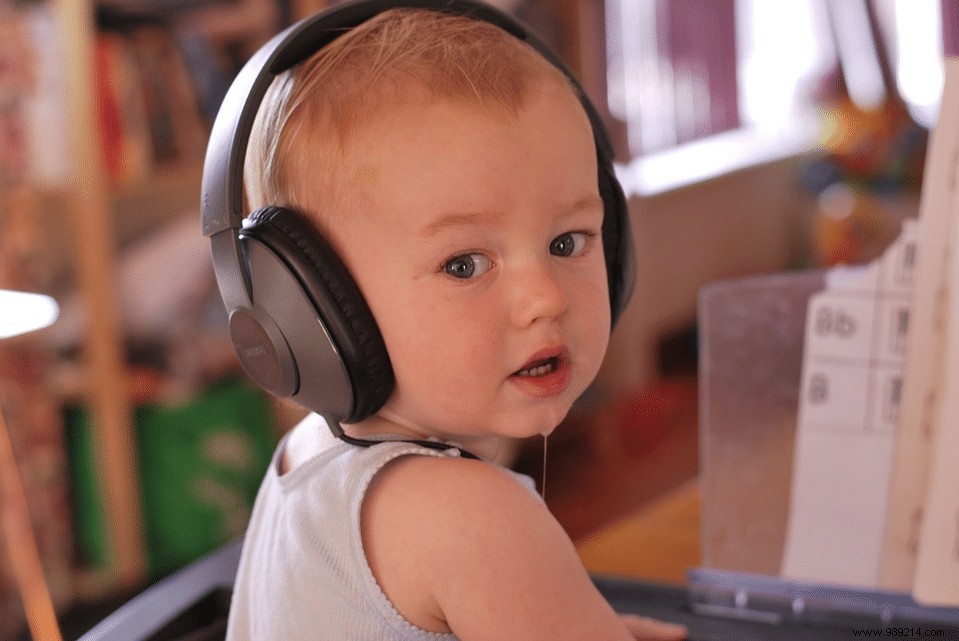
For some infants, vocal development lags, making cry analysis invaluable. Establishing language-specific norms could enable earlier identification of developmental delays, especially hearing-related issues.
The team also recommends that parents nurture this process through quality time: attentive listening, singing lullabies, and plenty of affection. Interestingly, they suggest responding to cries with exaggerated 'wolf howls'—a playful mimicry—to soothe babies, regardless of their emerging 'cry language.' Give it a try!
Recently, we covered AI tools that decode baby cries not by language, but by cause, identifying patterns for needs like diaper changes, hunger, discomfort, sleepiness, or attention.
Related Articles:
