A groundbreaking oncolytic virus designed to combat cancer spread has been administered to its first human patient, following promising results in mouse models. This phase I trial will enroll approximately 100 patients with metastatic solid tumors.
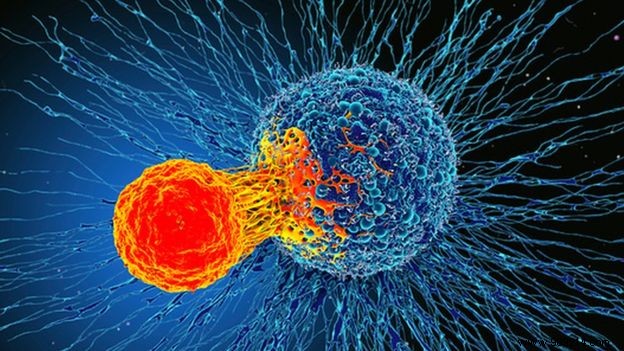
The investigational therapy, CF33-hNIS (also known as Vaxinia), utilizes a genetically engineered poxvirus that selectively targets and infects cancer cells while sparing healthy ones. Once inside, the virus replicates, causing infected cells to burst and release new viral particles that function as antigens, triggering the immune system to attack surrounding cancer cells.
Building on encouraging preclinical data from mouse studies, City of Hope Comprehensive Cancer Center in Los Angeles and Australian biotech firm Imugene—co-developers of the therapy—have launched this first-in-human clinical trial.
"Our prior research shows oncolytic viruses can activate the immune system to destroy cancer cells and enhance responses to other immunotherapies," explains oncologist Daneng Li, M.D. "We believe CF33-hNIS holds strong potential to improve patient outcomes."
As an initial phase I study, the primary focus is establishing the safety profile of CF33-hNIS in humans. Researchers will monitor side effect frequency and severity while evaluating dose escalation.
The trial includes 100 adults with metastatic or advanced solid tumors who have progressed after at least two prior standard therapies. Participants receive escalating low doses via direct injection or intravenous infusion, with two-year follow-up. The first patient has already been successfully dosed.
Positive safety data could pave the way for combination studies with pembrolizumab, an established immunotherapy antibody.
If proven safe and tolerable, CF33-hNIS could become the second FDA-approved oncolytic virus therapy, following Talimogene laherparepvec (T-VEC), a herpes simplex virus-based treatment for melanoma.
