Surgeons at the University of Maryland School of Medicine and University of Maryland Medical Center announced on Monday the first successful transplant of a genetically modified pig heart into a human patient, performed last Friday.
David Bennett, 57, suffered from end-stage heart disease and was ineligible for a traditional human heart transplant. As a last resort, the University of Maryland Medical Center team pursued a porcine heart transplant.
The U.S. Food and Drug Administration (FDA) typically does not approve such procedures, but granted emergency authorization on December 31 under its "expanded access" provision for patients with no other options.
Bedridden for months after multiple procedures, Bennett accepted the experimental risks. "It was either die or do that transplant. I want to live," he stated beforehand. "I know it's a shot in the dark, but it's my last choice."
Pig hearts closely resemble human ones anatomically, and porcine heart valves have been used successfully in patients for years. However, a full heart transplant had never been attempted before. University officials believed it could extend Bennett's life.
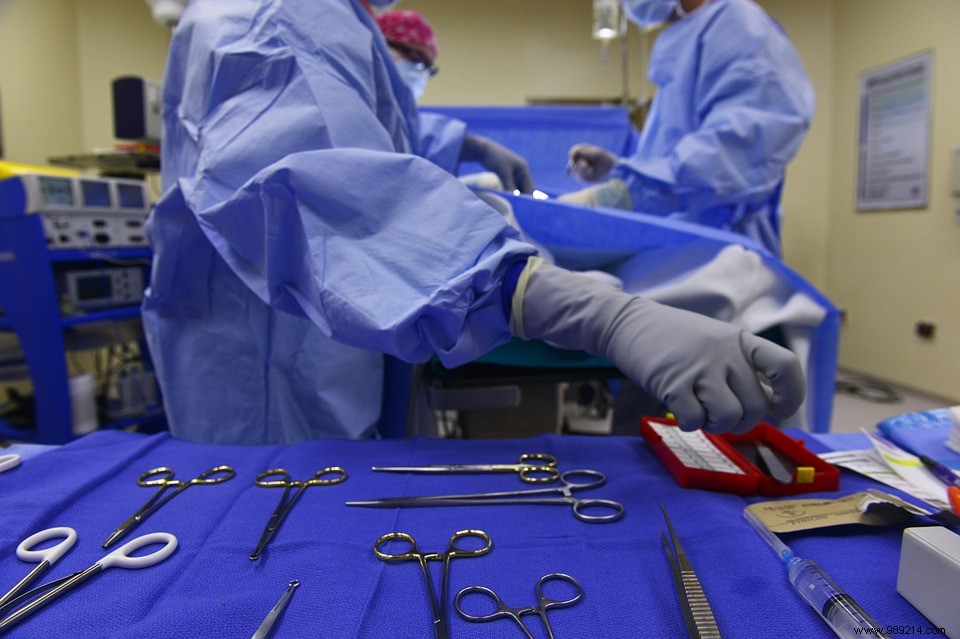
Led by Dr. Bartley P. Griffith from the University of Maryland School of Medicine and Dr. Muhammad M. Mohuiddin, founder of the Cardiac Xenotransplantation Program, the team drew on five years of research. They used a genetically modified heart from Revivicor, a Blacksburg, Virginia-based regenerative medicine company, along with immunosuppressive drugs to prevent rejection.
The donor pig featured about ten genetic edits: four genes deactivated—including one triggering hyperacute rejection in humans—and a growth gene to halt post-transplant expansion. Six human genes were added to enhance compatibility with the recipient's immune system.
Dr. Bert W. O'Malley, president and CEO of the University of Maryland Medical Center, called the surgery a "historic and monumental" advancement. It holds promise for tackling the organ shortage crisis, which leaves thousands waiting annually.
"There simply aren't enough human hearts for the long list of potential recipients," noted Dr. Griffith. "We're proceeding cautiously but optimistic this world-first could offer vital new options."
Alka Chandna, vice president at People for the Ethical Treatment of Animals (PETA), criticized the xenotransplant as dangerous and unethical. "The risk of transmitting unknown viruses is real—especially amid pandemics—and should end these studies," she stated. "Animals are complex beings, not tools. Modern science can find cures without exploiting them."
