Researchers at the National University of Singapore (NUS) have pioneered a blood test that evaluates targeted cancer therapies within 24 hours. This innovation enables doctors to swiftly adjust or redesign treatments based on real-time effectiveness against tumor growth.
Unlike traditional chemotherapies that affect all rapidly dividing cells and cause broad side effects, targeted therapies zero in on specific molecules driving cancer cell growth. Yet, assessing their success typically involves invasive tumor imaging or biopsies—costly procedures done weeks after treatment begins.
Shao Huilin and his team at NUS's Institute for Health Innovation & Technology (iHealthtech) have developed a less invasive, faster alternative. Their findings are detailed in Nature Nanotechnology.
Called ExoSCOPE, this method targets extracellular vesicles (EVs)—tiny particles released into the bloodstream by cells. When targeted drugs hit cancer cells, those cells release EVs carrying traces of the drug.
These EVs are over 100 times smaller than a human hair's diameter. To detect faint drug signals, the team uses sensors with millions of gold nanorings. Advanced light analysis on a small blood sample reveals if the drugs have reached their targets.
"ExoSCOPE lets us measure drug efficacy directly, just 24 hours after starting treatment," says Shao Huilin. "It cuts monitoring time and costs dramatically."
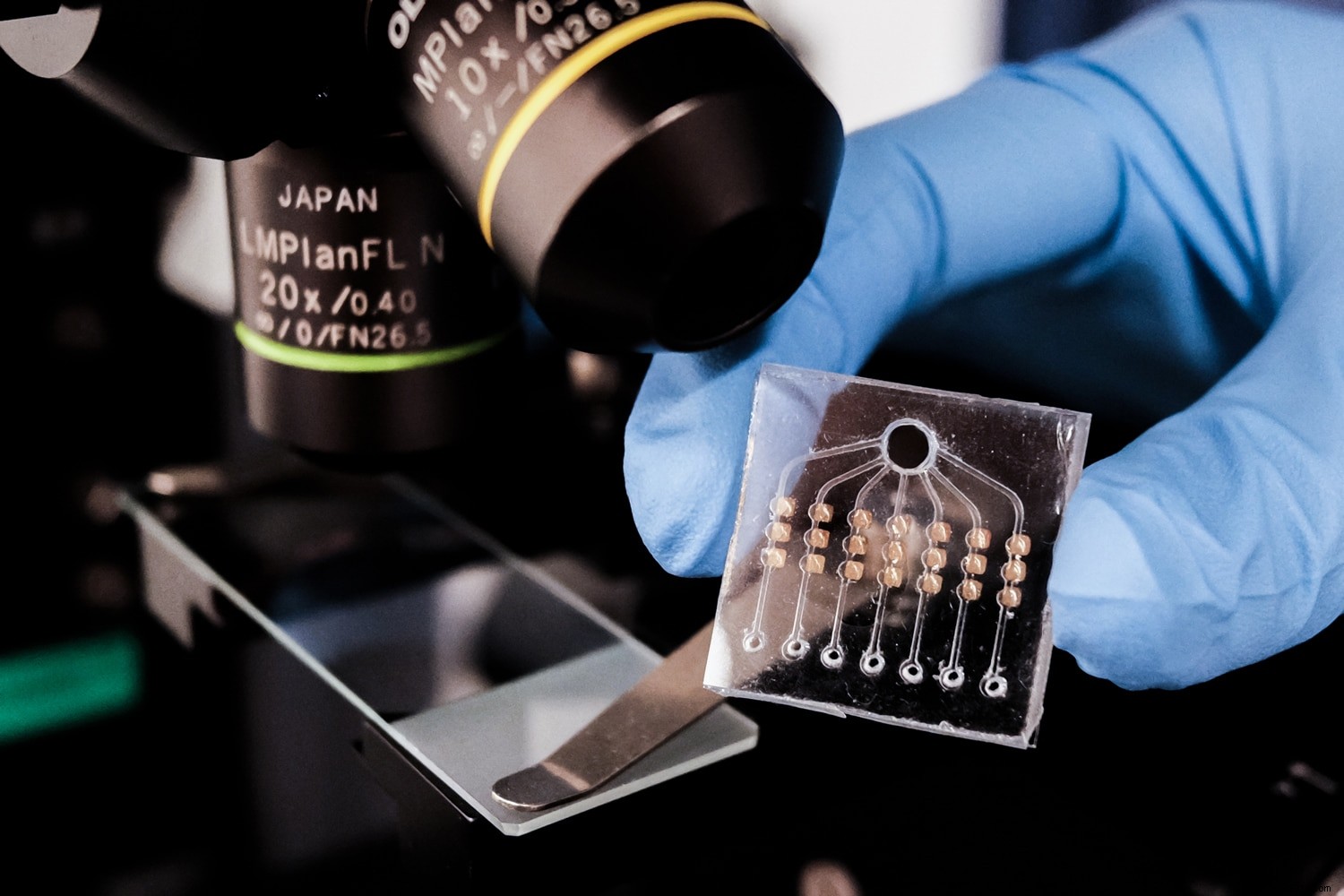
ExoSCOPE also tracks drug dynamics over time, empowering physicians to make timely adjustments for optimal, personalized results, adds the researcher.
In a clinical trial with 106 lung cancer patients, ExoSCOPE matched the gold standard tumor measurements with 95% accuracy—but in far less time.
Still in development, the team aims to expand ExoSCOPE to other diseases and therapies. They anticipate clinical availability in about three years.
