University of Oxford researchers have leveraged the viral vector technology from the Oxford-AstraZeneca COVID-19 vaccine, pairing it with immunotherapy to target cancer effectively.
Cancer mortality rates have declined steadily over the past 25 years due to advances in treatments and diagnostics, yet these diseases still claim over 157,000 lives annually in France alone (2018 data). Global research continues to explore preventive and curative strategies, including vaccine development, with promising breakthroughs emerging.
Oxford scientists have pioneered a therapeutic vaccine combined with immunotherapy. In mouse studies, the vaccine elevated anti-tumor immune cell levels, while immunotherapy enhanced their tumor-killing potency.
Immunotherapy has revolutionized outcomes for advanced cancer patients, especially via immune checkpoint inhibitors (ICBs). These therapies block ligand-receptor interactions that suppress T cell function, reinvigorating anti-tumor responses. However, many patients lack sufficient pre-existing cytotoxic T lymphocytes (CTLs), limiting efficacy.
To address this, the Oxford team developed a vaccine using the same viral vector as the Oxford-AstraZeneca COVID-19 vaccine. It specifically boosts CD8+ T cells primed to attack MAGE-A3 and NY-ESO-1 proteins, which appear exclusively on cancer cells.
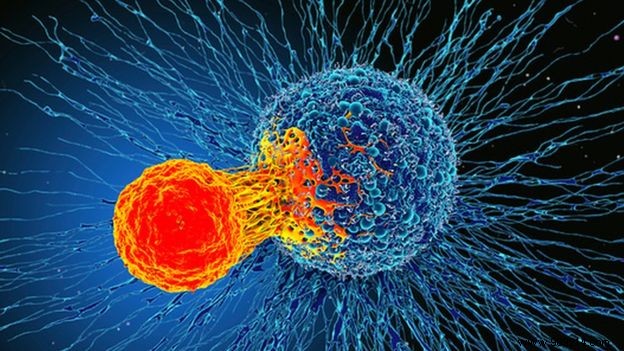
In mouse models, the vaccine increased CD8+ T cell levels, and combined with immunotherapy, these cells aggressively targeted tumors. The duo significantly shrank tumors and extended survival compared to controls or immunotherapy alone. Half of treated mice survived beyond 50 days, while control groups did not exceed 30 days.
"Our cancer vaccines generate robust CD8+ T cell responses that infiltrate tumors, demonstrating strong potential to enhance immune checkpoint blockade therapy and improve patient outcomes," states Adrian Hill, co-author and Professor of Human Genetics at Oxford.
Building on these validated results, the team is launching a Phase 1/2a clinical trial for 80 patients with non-small cell lung cancer (NSCLC), slated to begin by year's end.
