In a medical breakthrough across the Channel, specialists at Moorfields Eye Hospital have achieved a global first by implanting a fully digital 3D-printed ocular prosthesis in a patient.
Steve Verze, a resident of Britain, is the first person worldwide to receive a 3D-printed prosthetic eye. Traditional prosthetics take about six weeks to produce, but according to a November 25, 2021, press release from the Moorfields Biomedical Research Centre, 3D printing cuts this time in half while delivering a more lifelike appearance. Verze, who has worn an ocular prosthesis since age 20, shared his previous discomfort with it. This new version promises greater daily comfort.
Conventional acrylic implants require an invasive mold of the eye socket, often under general anesthesia—particularly challenging for children. The 3D-printed alternative uses a simple eye scan, with results sent to a printer that fabricates the prosthesis in just two and a half hours.
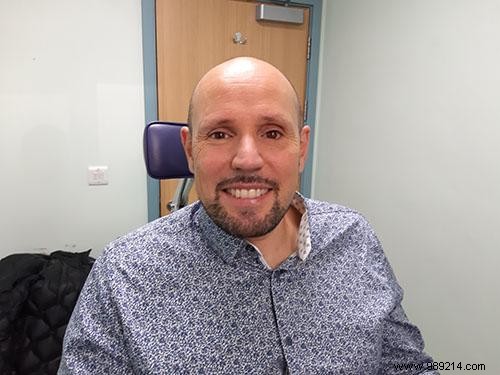
This prosthesis not only speeds production but also enhances realism by allowing light to pass through its full depth. Ongoing clinical trials, including feedback from Verze, will validate its benefits and support broader implementation.
Moorfields Eye Charity notes that over eight million people worldwide rely on ocular prostheses due to illness, trauma, or congenital conditions. Scaling this technology could ease backlogs at ophthalmology clinics and hospitals—a significant advance, as techniques had barely evolved in the past 50 years.
Note that this prosthesis does not restore vision. However, vision-restoring innovations continue, such as Second Sight's Argus II bionic retinal implant, fitted in around 30 French patients in 2017.
