Researchers at the University of Amsterdam in the Netherlands have developed a groundbreaking method to precisely measure plastic nanoparticle levels in human blood. Published in Environment International, this pioneering study—despite a small sample of 22 participants—reveals that plastic particles are likely circulating through our veins.
Accurately measuring toxic chemicals in human tissues is crucial for assessing exposure and informing public health strategies. However, evaluating health risks from plastic particles has been impossible due to insufficient data on toxicology and exposure. Remarkably, until now, no research had quantified plastic particles in human blood—even though these pollutants pervade our environment and food chain.
In this study, the Dutch team advanced detection to the nanoscale (billionths of a meter), surpassing prior microscale (millionths of a meter) limits. They analyzed blood from 22 volunteers for five common plastics.
Results showed 17 samples (77%) contained detectable plastic levels. Polyethylene terephthalate (PET), polyethylene, and styrene polymers were most prevalent, followed by polymethyl methacrylate—materials ubiquitous in bottles, shopping bags, food packaging, and disposable utensils.
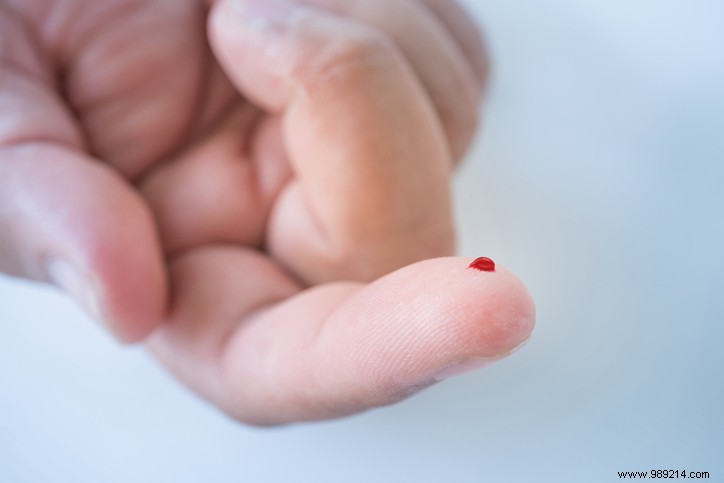
The concentrations were low—comparable to a teaspoon diluted in 1,000 liters of blood—yet concerning enough to warrant further investigation into health impacts.
Blood, comprising 6-7% of body weight, transports oxygen, nutrients, and—as this research confirms—potentially plastic nanoparticles to organs and tissues. These particles' fate hinges on elimination via kidneys or bile, or accumulation in the liver, spleen, or elsewhere. Such insights are vital for gauging true human health risks.
“We’ve now confirmed that plastic is in our bloodstream—our river of life,” says lead author Marja Lamoree in a press release. “This first-of-its-kind dataset must expand to assess the prevalence and harm of plastic pollution in the human body.”
