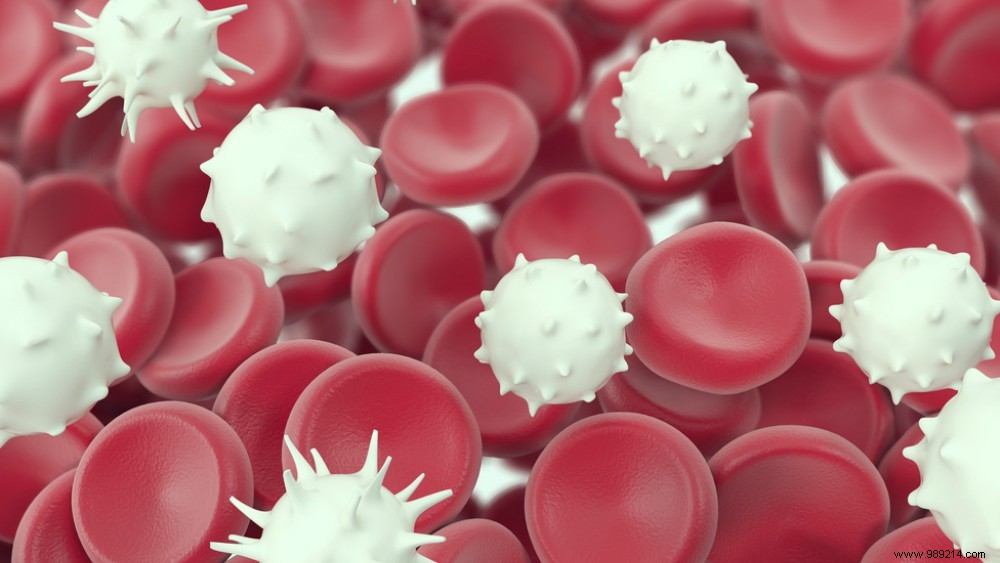
Did you know blood plays a crucial role in regulating your body temperature and fighting infections? With about 11 million platelets per drop, it's a powerhouse. Here's a curated list of key blood facts from health experts.
Blood's primary function is to maintain a stable body temperature, ideally around 37°C. It distributes heat evenly throughout your body. When you're hot, blood vessels dilate, allowing excess heat to escape through the skin. In the cold, they constrict to conserve warmth.
Read also: 'Black tea lowers blood pressure'
While red blood cells number around 5 trillion per liter, white blood cells total about 5 million per liter. Yet their role is indispensable. As hematologist Dr. Wouters explains, "They form our primary defense against infections from bacteria, viruses, fungi, and parasites, while also clearing dead cells." Without them, even minor bacteria could overwhelm your system.
Over an average lifetime, your heart pumps roughly 210 million liters of blood through your body.
Blood pressure measures the force in your arteries. Systolic (upper) pressure peaks when the heart contracts, pushing blood out. Diastolic (lower) pressure occurs during relaxation. It fluctuates with activity, but consistently high levels—often silent until advanced—raise risks of heart disease and kidney issues. A typical healthy reading for women is 120/75 mmHg. If concerned, consult your doctor for accurate measurement; self-tests are helpful but not definitive.
Text by Fleur Baxmeier | Images: Getty Images, Shutterstock
