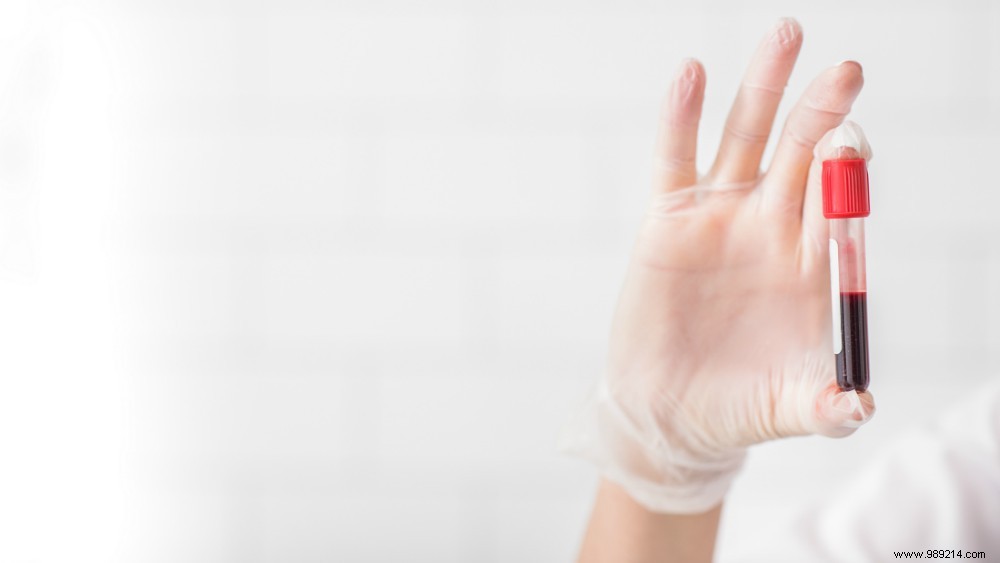
Imagine significant blood loss from an accident or surgery—a transfusion can be lifesaving. But what exactly happens during the process?
A successful transfusion depends on donor-recipient blood compatibility, determined by inherited blood type. Over 350 blood groups exist across more than 30 systems. The ABO system is the most recognized, where O (zero, not the letter) means no A or B antigens.
Read also: 'A lot of blood facts in a row'
Delwel, a blood transfusion expert, explains: "Recipients with blood group B can only receive group B blood. A mismatch prompts the body to produce antibodies, rejecting the foreign blood. The same occurs if group A receives B. Group O patients must get O blood, while AB recipients can accept A, B, or O."
In the Netherlands, about 47% have blood group O, 42% A, 8% B, and 3% AB. "Many people know their type," Delwel notes. "If unsure, use a self-test kit. In cases of major blood loss, rapid matching is vital—a mismatch can cause severe illness or even be fatal."
