In a landmark achievement, a fully locked-in patient with ALS has communicated with his family by typing short sentences using only his thoughts, thanks to a pioneering brain implant. This study challenges prior beliefs about communication in complete locked-in states.
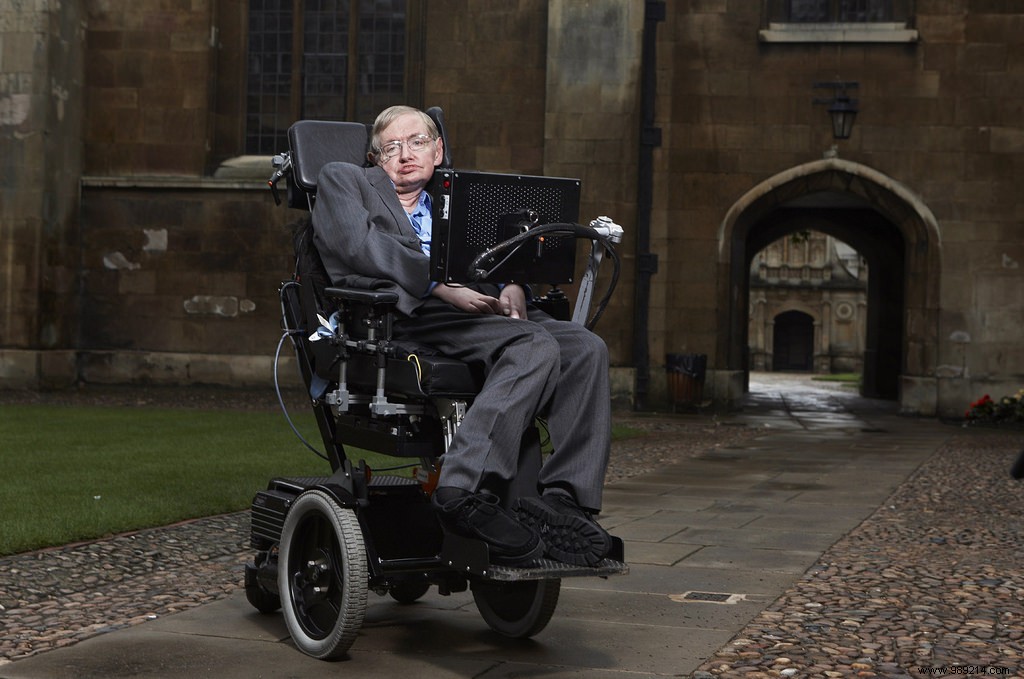
Advanced amyotrophic lateral sclerosis (ALS) often results in profound isolation, as patients lose voluntary muscle control, severely limiting communication. While some, like Stephen Hawking, use eye-tracking to select letters, and others signal yes/no with eye movements, many on ventilators spend months or years hearing but unable to respond.
Published in Nature Communications, researchers from the University of Tübingen report the first instance of a completely locked-in man formulating simple sentences to connect with his family via a brain implant.
The journey began in 2016 when Dr. Mariska Vansteensel's team at Utrecht University Medical Center enabled a woman with ALS—who retained minimal muscle control—to spell sentences by detecting attempted hand movements with an implant. However, whether a fully paralyzed brain could generate coherent signals for communication remained unproven.
In 2018, a 36-year-old German man, still able to move his eyes at the time, collaborated with Tübingen researchers to develop an implant for future communication. With consent from his wife and sister, two electrode arrays were implanted in his motor cortex.
Through neurofeedback training, where real-time neural activity was visualized via sound, he learned to self-regulate brain signals. After weeks, he modulated a sound wave's frequency and adapted this skill to a spelling interface, forming words at about one character per minute.
By sustaining high or low tones, he first spelled 'yes' and 'no,' then produced his first sentence—a request to caregivers—three weeks later. Over the following year, he generated dozens of sentences.
Success wasn't constant: He accurately hit targets 107 times over 135 days (80% accuracy), producing intelligible sentences 44 times. Researchers speculate variability due to fatigue, sleep, mood, or signal strength.
This demonstrates that brain-computer interfaces, tailored via implants, can restore communication in fully locked-in patients. Yet, it required hundreds of hours for customization, with further refinements needed for speed, reliability, and affordability.
Ethical dilemmas arise, especially for end-of-life discussions via such slow interfaces (e.g., three sentences daily), risking misinterpretations with grave consequences. The team advises against basing medical decisions on these systems, recommending family involvement.
