Research in mice shows fecal microbiota transplants can reverse age-related cognitive decline by restoring a youthful gut microbiome.
Our intestines host billions of bacteria essential for digestion and overall health. Aging dramatically alters this gut microbiota, contributing to cognitive impairments like memory loss and reduced attention in older individuals.
While exercise and mental stimulation help mitigate decline, a recent study explored fecal microbiota transplantation from younger donors as a novel approach.
Published in Nature Aging, neuroscientists at University College Cork, Ireland, transplanted feces from 3-4-month-old mice (equivalent to about 18 human years) into 19-20-month-old mice (roughly 70 human years). The young bacteria successfully colonized the older mice's intestines.
To evaluate brain impacts, researchers used the Morris water maze—a standard tool in neuroscience for testing spatial memory in rodents.
Mice learn to find a hidden escape platform using environmental cues. After a delay, they must recall its location to escape the water.
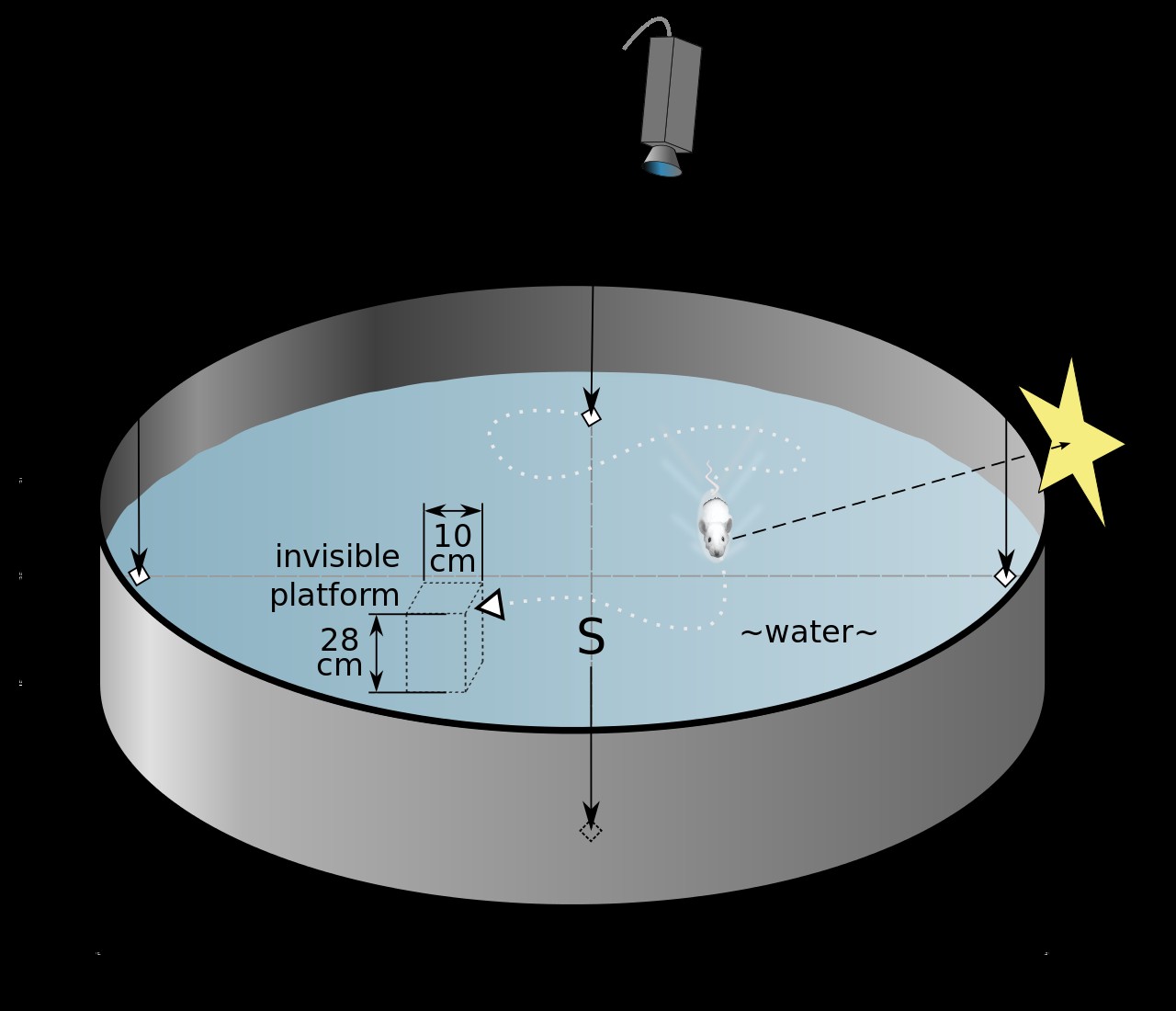
Older mice receiving transplants located the platform faster than controls—nearly matching young mice. Their memory performance was effectively restored.
Brain analysis revealed the hippocampus—the key memory center—in transplanted mice resembled that of younger animals, reversing typical neurodegenerative changes.
“This study is truly a proof of concept,” said lead author John Cryan, PhD, to The Scientist. “If the microbiome plays a causal role in brain aging, then we should be able to take the microbiome from young animals, give it to old animals, and reverse or lessen some of the effects of aging.”
Note: The study involved only male mice, and human translation remains unproven, though promising. Recent findings show stool transplants reduced autism symptoms by 45% in children, highlighting gut-brain links.
