A groundbreaking study from University of Pittsburgh researchers demonstrates that blood from young mice can rejuvenate muscle tissue in older mice. Published in Nature Aging on December 6, 2021, this research highlights a promising avenue in anti-aging science.
Efforts to mitigate aging effects, such as enhancing youthful vitality or slowing time's toll, drive extensive research. Geneticist George Church has long advocated viewing aging as a reversible program. Building on this, University of Pittsburgh scientists tested whether young blood could yield benefits, detailing their mouse experiments in the journal.
Their findings reveal that extracellular vesicles in young mice blood deliver "genetic instructions" to muscle cells, prompting production of the Klotho protein—a key player in aging. In older mice, these vesicles lose efficiency. To investigate, researchers injected blood from young adult mice into older ones.
The results were compelling: older mice showed enhanced muscle regeneration and tissue improvements. Crucially, removing extracellular vesicles from the young blood eliminated these benefits, confirming their essential role.
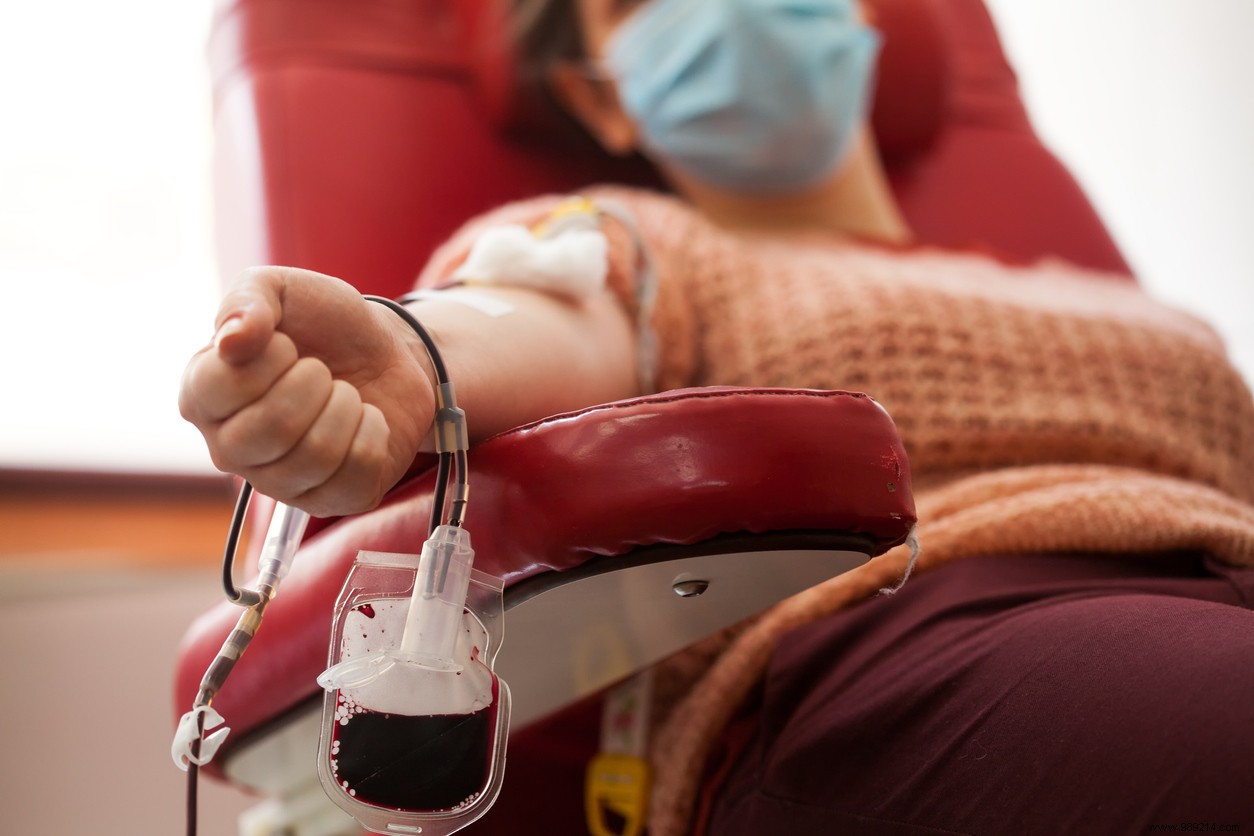
Could humans one day use young blood infusions for anti-aging? While effective in mice, human applicability remains unproven, and ethical concerns loom large for such intravenous therapies.
This discovery offers a compelling lead. The Pittsburgh team plans further experiments to expand understanding before any human trials. They are committed to developing novel treatments against aging.
