A French study reveals that while physical activity boosts health, excessive training can impair cognitive functions and brain capacity.
Mathias Pessiglione, research director at Inserm's Brain and Spinal Cord Institute at Pitié-Salpêtrière AP-HP Hospital, led a study published in a September 26, 2019, press release. Conducted with the National Institute of Sports, Expertise, and Performance (INSEP), it highlights the detrimental effects of excessive physical training.
The research focuses not on moderate exercise—which remains vital for health—but on intensive overtraining. Researchers hypothesized: "Fatigue from sports overtraining mirrors that from intellectual effort, involving similar brain mechanisms. Prior studies showed intellectual fatigue disrupts cognitive control, leading to impulsive decisions."
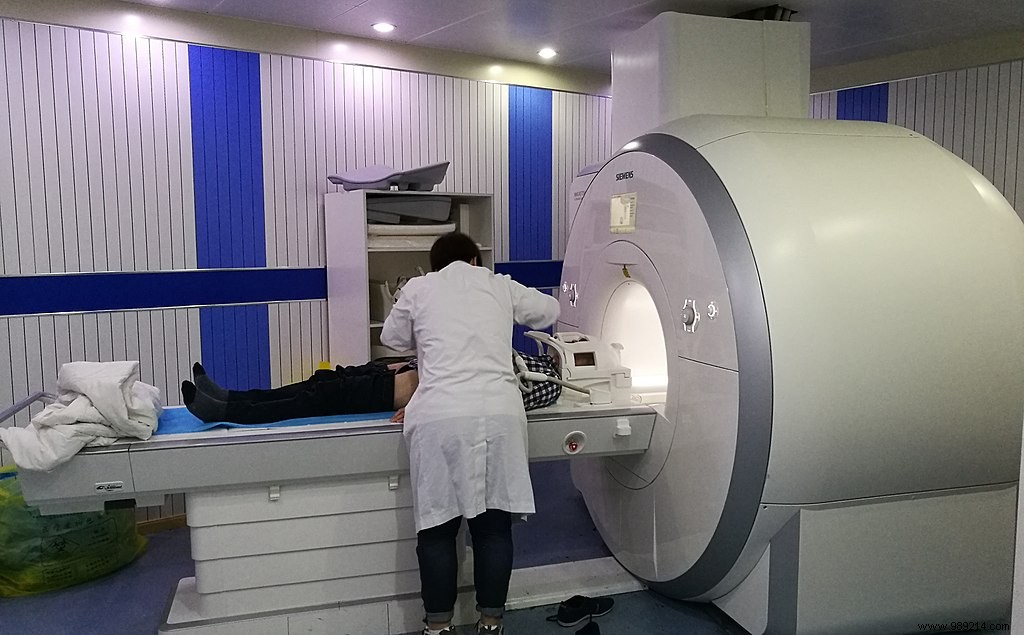
Over 9 weeks, 37 triathletes were split into two groups: one followed high-level normal training, the other an overload regimen with sessions averaging 40% longer in the final weeks. Participants underwent behavioral assessments and fMRI scans.
Findings show parallels between intensive training and excessive mental work. Overtraining reduces activity in the lateral prefrontal cortex, key for cognitive control, resulting in overtraining syndrome—marked by performance drops and profound fatigue.
Athletes may halt mid-performance or abandon events. Researchers warn it could escalate to burnout, akin to professional exhaustion, primarily affecting elite competitors.
Related Articles:
