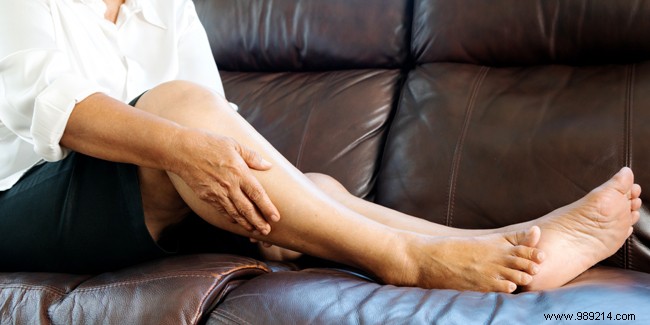
Calf pain often signals minor issues like bruises, muscle aches, or strains. However, it can also indicate serious conditions. Learn how to pinpoint the cause and effective treatments from our medical insights.
Following a hike, bike ride, run, or tennis match, calf discomfort is common and usually benign. Here are the primary causes based on clinical experience.
Delayed onset muscle soreness (DOMS), or aches, typically affects both calves. Triggers include inadequate warm-up, poor stretching, dehydration, or overly intense exercise. Symptoms resolve within 24 hours with rest.
Contracture involves persistent muscle tightening from overuse or irregular activity. Pain emerges hours after exercise, often post-cramp. It's minor but uncomfortable.
Strains tear muscle fibers, causing sharp pain post-activity. Severe tears, known as ruptures, require medical evaluation. Patients may limp, use crutches, and halt sports for 3-6 weeks. Pain relief and rest are standard.
A full rupture severs all fibers, causing intense pain. Apply ice immediately and seek urgent care. Ultrasound assesses damage; treatment includes painkillers, anti-inflammatories, and physiotherapy.
Pain extending to the thigh may signal deep vein thrombosis (DVT or phlebitis), where a clot obstructs blood flow. Symptoms: swelling, redness, intense pain, possible fever. High risk on long flights; combat sedentary habits to improve circulation.
Sudden pain in the lower calf and ankle often stems from Achilles tendon rupture, linking calf muscles to the heel. Common during jumps; signs include severe pain and limping.
Consult a doctor for severe, disabling pain, or with redness, fever, or swelling. Start with your GP or ER. Expect history review, physical exam, D-dimer blood test, and Doppler ultrasound to exclude DVT.
Tailored to the cause: rest and meds for muscle injuries; anticoagulants and compression stockings for venous issues; physio as needed. Prevent with regular activity to build muscle strength and circulation.
