A groundbreaking Australian study reveals that fear induces structural changes in the DNA double helix within the prefrontal cortex of mice. Crucially, an enzyme facilitates a return to normalcy, balancing this vital survival response.
When mice experience fear, they form lasting memories accompanied by DNA alterations in the brain. Specifically, DNA in the prefrontal cortex—a region key to decision-making and reflection—shifts to a rare conformation. Published in Nature Neuroscience on May 4, 2020, this research by Australian scientists elucidates the underlying mechanisms.
DNA typically forms a double helix just 2 nanometers wide, existing in three main structures: A-DNA, B-DNA, and Z-DNA. B-DNA, the predominant right-handed helix, is most common.
In frightened mice, researchers observed elevated levels of Z-DNA, a left-handed helix that's thinner and longer, with 12 base pairs per helical turn compared to 10.5 in B-DNA.
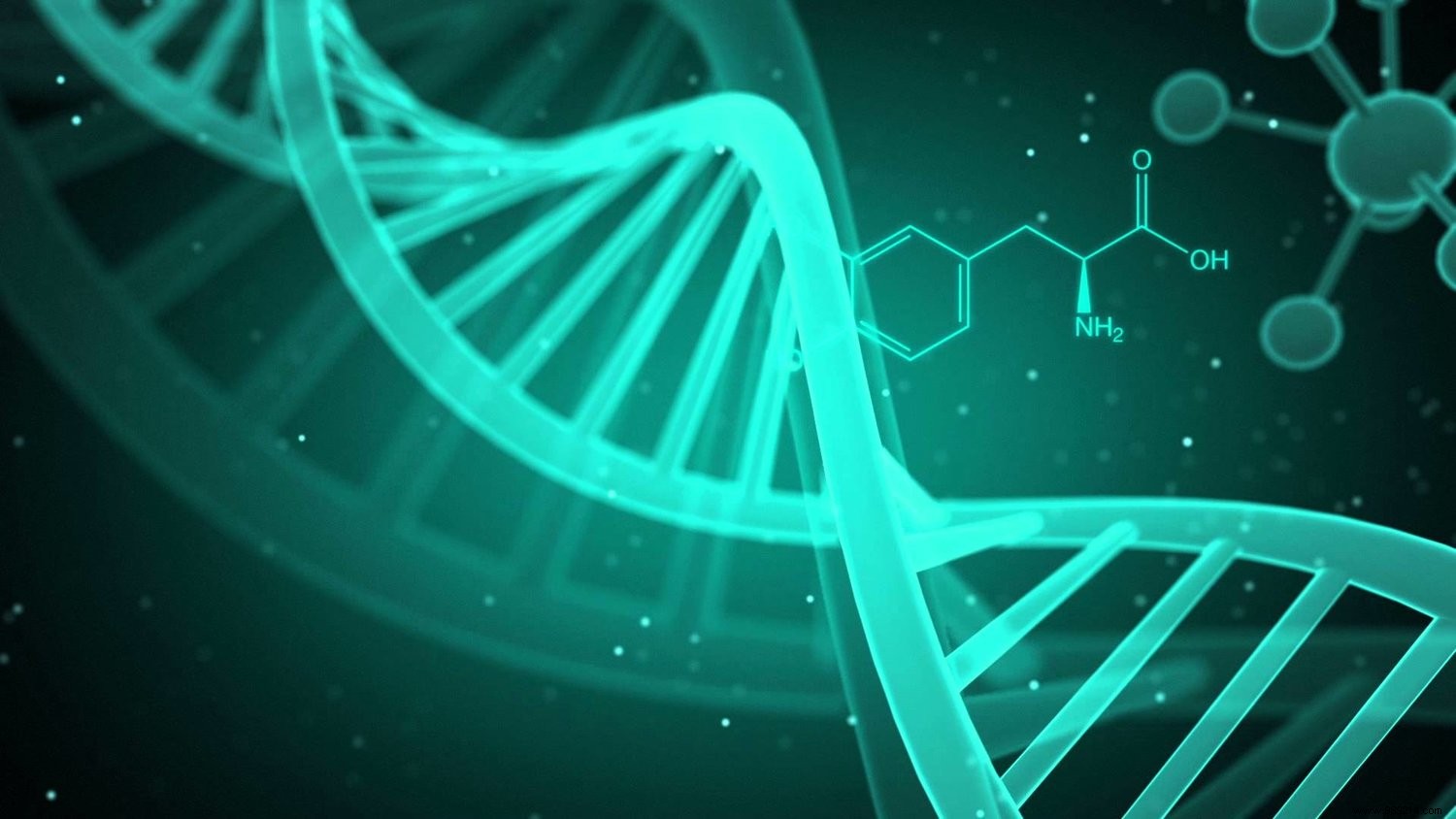
The study found that fear memory formation correlates with increased Z-DNA. To explore recovery, researchers focused on Adar1, an enzyme known for RNA editing. Adar1 binds to Z-DNA, converting it back to B-DNA. Inhibiting Adar1 allowed fear memories to form but prevented resolution, trapping mice in prolonged fear states.
In essence, stress deforms B-DNA into Z-DNA; post-fear, Adar1 restores equilibrium—a process essential for neural function.
These findings offer insights into human conditions like post-traumatic stress disorder (PTSD) and phobias, potentially stemming from impaired DNA reconfiguration. Persistent Z-DNA could heighten fear gene reactivation, intensifying responses and impairing control.
Ongoing research aims to target brain genome regions, promoting swift recovery from trauma and building resilience against fear recurrence.
