A landmark report from the World Health Organization (WHO) and the Centers for Disease Control and Prevention (CDC) shows that measles—a highly contagious yet preventable viral disease—infected at least 860,000 people and claimed more than 200,000 lives in 2019.
Before the measles vaccine was introduced in 1963, epidemics caused over 2.6 million deaths annually. Decades of education and vaccination efforts have since saved more than 21 million lives. Yet progress is stalling, largely due to anti-vaccine misinformation.
Vaccine hesitancy has persisted for two decades, sparked by Andrew Wakefield's discredited 1998 study falsely linking the MMR (measles, mumps, rubella) vaccine to autism. Despite Wakefield's retraction and professional disgrace, distrust lingers, leading many parents to skip vaccinations for their children.
Effective measles control requires about 95% vaccination coverage for herd immunity. Globally, rates have never exceeded 85% in the past decade, driving a surge in cases with devastating consequences.
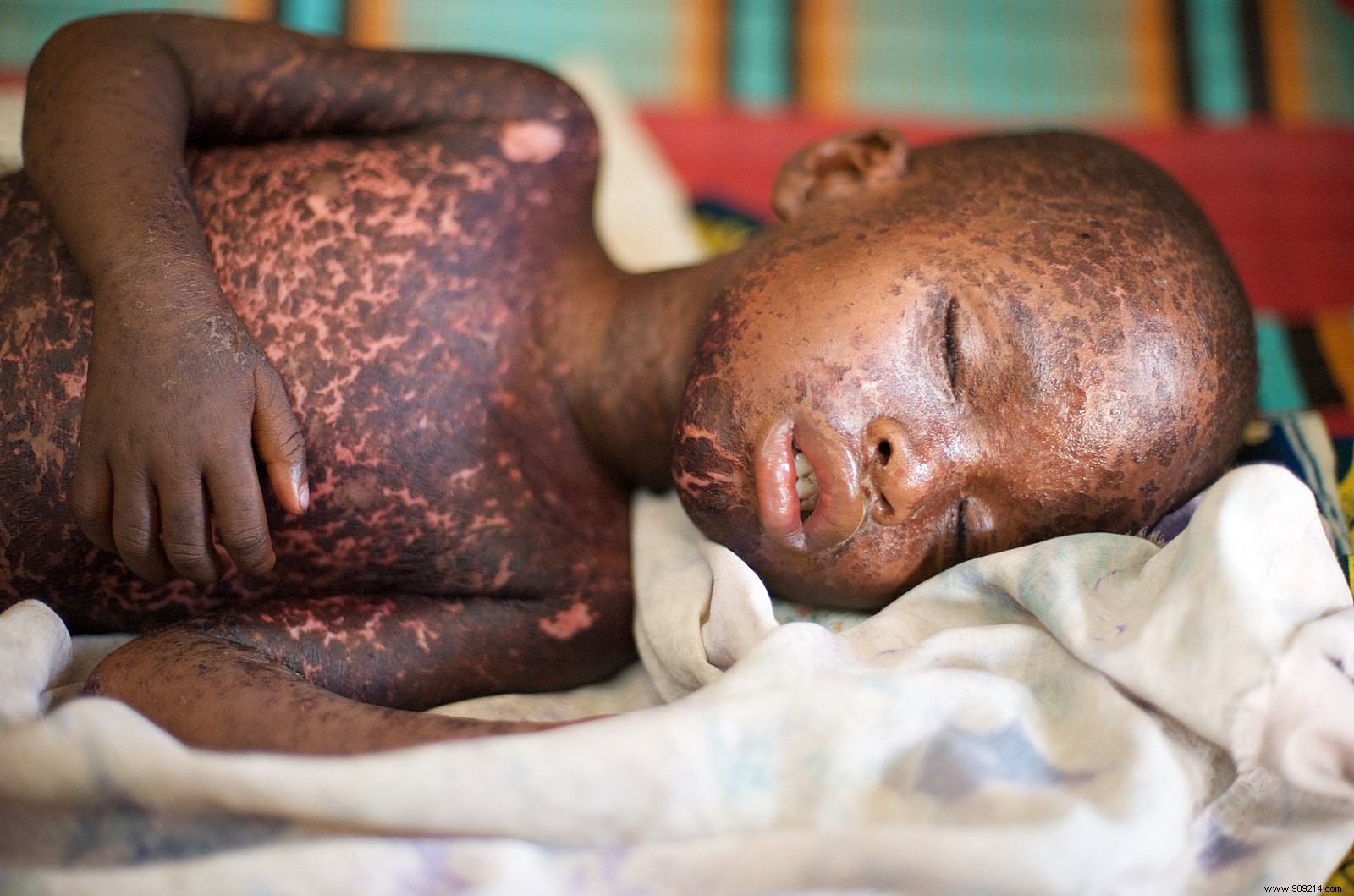
The CDC/WHO report, released Thursday, documents 869,770 measles cases worldwide in 2019—the highest since 1996 and double the 2016 figure. Tragically, more than 207,500 people died that year, compared to 140,000 in 2018. Most victims were children under five.
Outbreaks surged globally but hit Africa and Europe hardest. Only two countries—Iran and Sri Lanka—reported zero cases.
“The fact that measles outbreaks have reached the highest level we have seen in a generation is unacceptable when we have a safe, cost-effective, and proven vaccine. No child should die from a vaccine-preventable disease,” said Elizabeth Cousens, President & CEO, United Nations Foundation.
Experts urge renewed vaccination drives, including combating online disinformation, to boost routine immunization and strengthen health systems. Without action, epidemics will persist.
