Rice is a dietary staple for billions worldwide, especially across Asia, Africa, and South America. Yet it often contains elevated levels of arsenic. Researchers at the University of Sheffield have pinpointed the optimal cooking technique to significantly reduce this toxin while retaining the grain's essential nutrients.
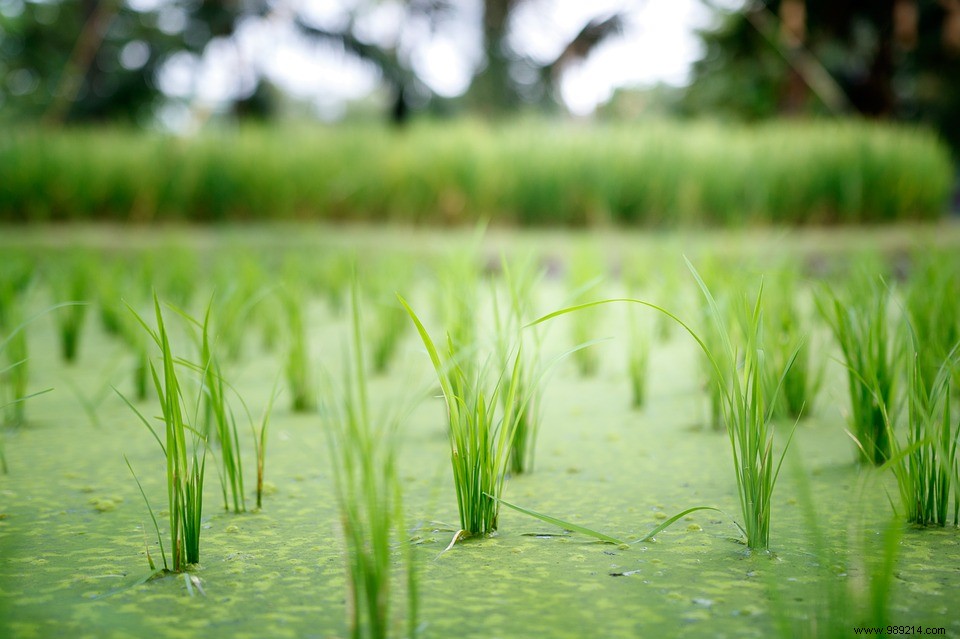
Rice, the seed of a grass plant, is one of the world's most consumed foods and a cornerstone of diets in Asia, Africa, and South America. However, it readily absorbs inorganic arsenic—a widespread, toxic element. A 2007 study showed rice absorbs ten times more inorganic arsenic than other cereals. This occurs because rice is cultivated in flooded fields, making soil arsenic more accessible to the plant.
The UK and US have regulations to limit exposure to inorganic arsenic from rice consumption. Even so, risks remain. A June 2020 study found over half of UK rice varieties exceed safe limits, posing particular dangers to children under five who are highly sensitive.
Various cooking techniques have been tested to lower arsenic, but many also strip nutrients. A October 29, 2020, study in Science of the Total Environment by University of Sheffield experts examined four cooking methods to identify one that cuts arsenic while preserving nutrition.
The most effective: Boil four glasses of water per one glass of rice. Add the rice, simmer for five minutes, then drain the water—which carries away much of the arsenic—while saving as many nutrients as possible. Cover and continue cooking on low heat. This approach is ideal for children's meals.
