A landmark 2017 global study reveals sepsis caused 11 million deaths—more than cancer—making it the world's second leading cause of death after cardiovascular disease.
Long overshadowed by cancer as a major killer after heart disease, sepsis—a life-threatening response to infection—now ranks higher. As experts in global health epidemiology explain, this widespread inflammation triggered by infections like pneumonia, urinary tract issues, or skin wounds can cascade into organ failure, septic shock, and death, hitting vulnerable groups such as the elderly and children hardest.
Prior estimates pegged annual sepsis deaths at around 5 million, but new analysis shows these were vastly understated. "Sepsis is often listed as an intermediate rather than underlying cause of death," the researchers note, "leading to underreporting."
Drawing from medical records across 195 countries and 282 underlying causes of death, this comprehensive 2017 study found 49 million cases of sepsis worldwide, with 11 million fatalities. That's double previous figures, positioning sepsis ahead of cancer's roughly 9.6 million annual deaths.
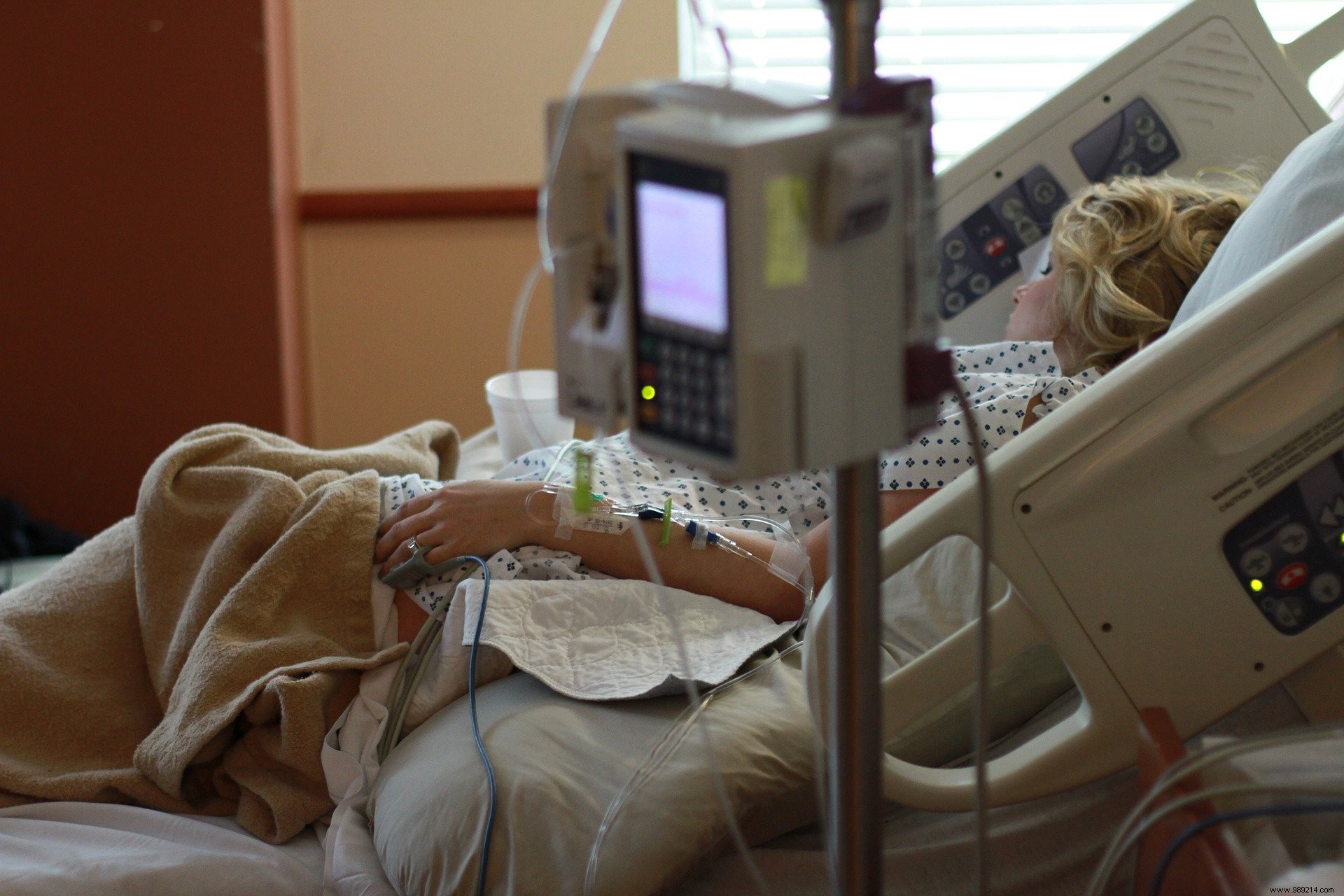
Strikingly, more than half of 2017 sepsis cases affected children, often stemming from diarrheal diseases, respiratory infections, and maternal complications post-childbirth.
In low-income nations, where 85% of deaths occur, experts emphasize prevention through vaccines, sanitation, nutrition, and maternal care. Even in high-income countries, reducing hospital-acquired infections remains critical—sepsis claims about 30,000 lives yearly in France alone.
Related articles:
